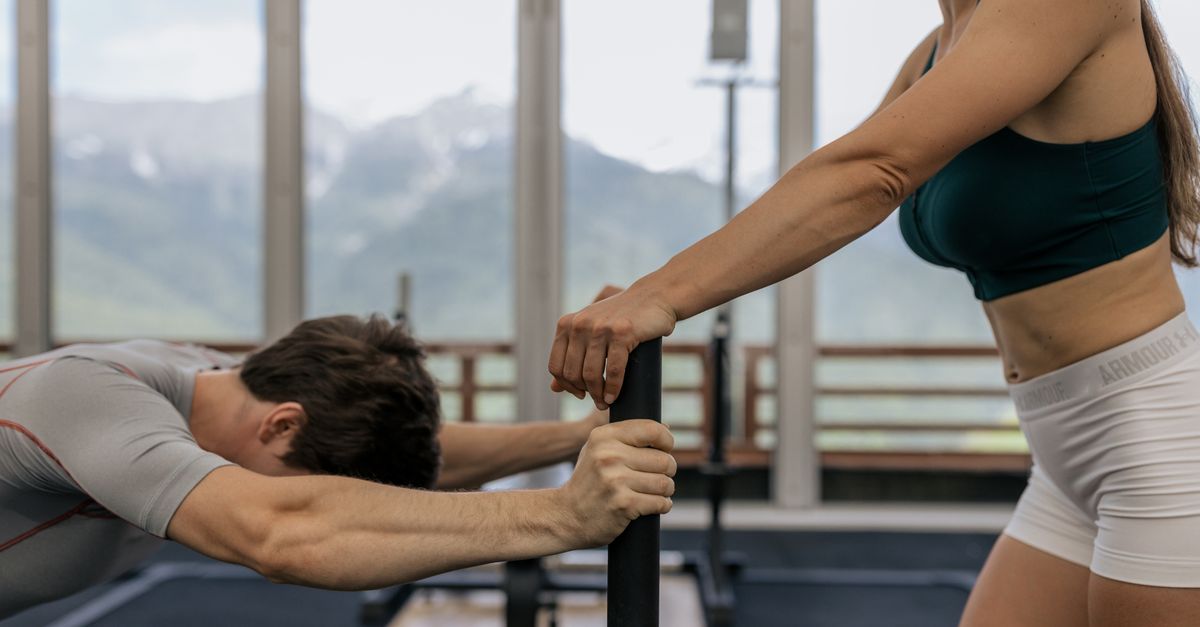
You have about forty-five minutes to squeeze in a workout between your job, family dinner, and a never-ending to-do list. You want real muscle and strength, but you spend half your gym session staring at your phone while waiting for your breath to return. In this guide, we are breaking down the real magic of supersets: what they are, how they work, and the exact exercise combos that fit together like peanut butter and jelly. We will explore smart pairings that build muscle without burning you out. By the time you finish reading, you will know how to cut your gym time in half, leave feeling pumped, and dodge the common mistakes that ruin your progress.
The Secret Sauce Behind the Superset
Most folks do a set of an exercise, drop the weights, and then sit around on a bench for two or three minutes. You check your text messages. You pick a new song. You watch someone across the room struggle with a yoga ball. Before you know it, you have been at the gym for an hour and only did ten actual minutes of work.
A superset flips that script completely. Instead of resting after one move, you jump straight into a second move for a different body part before taking a breather. Let us picture a fictional scenario with a busy guy named Leo. If Leo does ten push-ups and immediately follows them with ten pull-ups, he is doing a superset. His chest works during the push-ups, and while his back takes over during the pull-ups, his chest gets to catch its breath. It is like brushing your teeth while you wait for the shower water to warm up. You get way more done without staying late.
The Push and Pull Power Couple
The absolute king of all pairings is putting opposing muscles together. In fitness lingo, these are called antagonist pairs, but you can just think of them as opposites. When one side works, the other side relaxes.
Here are some classic push-pull combos that feel amazing:
- Dumbbell Bench Press and Dumbbell Rows: You press the weights up to light up your chest, then immediately pull weights to your ribs to blast your upper back.
- Bicep Curls and Tricep Rope Pushdowns: Your arms will feel huge after this one. You bend the elbow to work the front of your arm, then straighten it to hit the back.
- Overhead Shoulder Press and Lat Pulldowns: One moves things straight into the air, and the other pulls things down from above.
This style keeps blood pumping right where you want it. It balances your posture, too. If you only train the mirror muscles on your front, your shoulders roll forward like a caveman. Tying a back move to every chest move keeps your body standing tall and pain-free.
The North and South Switcheroo
Another fantastic way to group exercises is pairing your upper body with your lower body. Think of it like taking a road trip and switching drivers halfway through. One half drives while the other half naps in the passenger seat.
Imagine a busy mom named Sarah trying to get her sweat in during lunch. Sarah knocks out ten heavy goblet squats with a kettlebell. Her thighs are burning, and her lungs are working hard. Instead of sitting on the floor gasping for air, she walks over to a mat and does overhead shoulder presses with light dumbbells. Her legs get a full two minutes to recover while her shoulders do the heavy lifting.
This upper-and-lower trick turns your routine into a quiet calorie burner. Your heart has to work extra hard to shoot blood from your calves all the way up to your shoulders. You do not just build muscle here; you build real-world stamina.
Doubling Down on the Same Muscle
Sometimes you do not want balance. Sometimes you just want to totally tire out one single muscle group so it has no choice but to grow back stronger. Trainers call this an agonist superset, but we can just call it a muscle burner.
The trick here is starting with a big, heavy move and following it with an easy, focused move. Here is how that plays out:
- Barbell Back Squats into Leg Extensions: Squats beat up the whole lower body, and the leg extension machine finishes off the front of your thighs.
- Push-Ups into Dumbbell Chest Flyes: Push-ups hit your chest, shoulders, and arms together. The flyes isolate just the chest fibers to finish the job.
- Pull-Ups into Straight-Arm Pulldowns: You wear out your whole upper back on the bar, then use a cable machine to burn out the wings of your back without your arms giving out first.
Warning: these burn like crazy. You will want to use slightly lighter weights on the second move so you do not get sloppy and hurt yourself.
Sneaking in Core Work Without Wasting Time
Most of us leave our ab exercises for the very end of our session. And what happens at the end? We get tired, tell ourselves we will do them tomorrow, and walk straight out the door. We all do it.
You can beat this trap by tucking your core moves right into the rest breaks of your main lifts. If you are doing heavy Romanian deadlifts for your hamstrings, you need your legs to rest between sets. Drop down and hold a thirty-second forearm plank while your legs chill out. If you are doing dumbbell incline presses for your chest, knock out some hanging knee raises before you sit down for your water break.
Your core muscles bounce back fast. Slipping them into the gaps keeps your workout rolling, protects your lower back, and saves you from doing boring crunches when you are already ready to leave.
Pairings That Are an Absolute Bad Idea
Just because you can pair two exercises together does not mean you should. Some combinations sound great in theory but end up totally wrecking your spine or draining your energy tank before you can finish.
Never pair two giant, heavy lifts that put stress on your lower back. For example, doing a heavy set of deadlifts followed right away by back squats is a recipe for a bad day. Both of these lifts need your brain to be one hundred percent focused, and both demand serious help from your spinal muscles. When your back gets tired mid-squat because you just finished pulling heavy iron off the floor, your form falls apart. Keep your biggest, heaviest lifts separate. Treat them with respect, take your time between sets, and save your supersets for moves where a little fatigue will not drop a barbell on your neck.
Getting stronger does not mean you have to camp out in the weight room for two hours every day. By stacking the right movements together, like pairing chest pushes with back pulls, swapping between upper and lower body, or tossing in a quick plank while your arms rest, you get twice the work done in half the time. Just remember to skip dangerous pairings like heavy deadlifts right after back squats. Our team builds training apps and gear guides to take the guesswork out of your routine, because fitness should fit your busy life, not run it. Grab your water bottle, pick a couple of these pairings, and go crush your next workout with confidence.