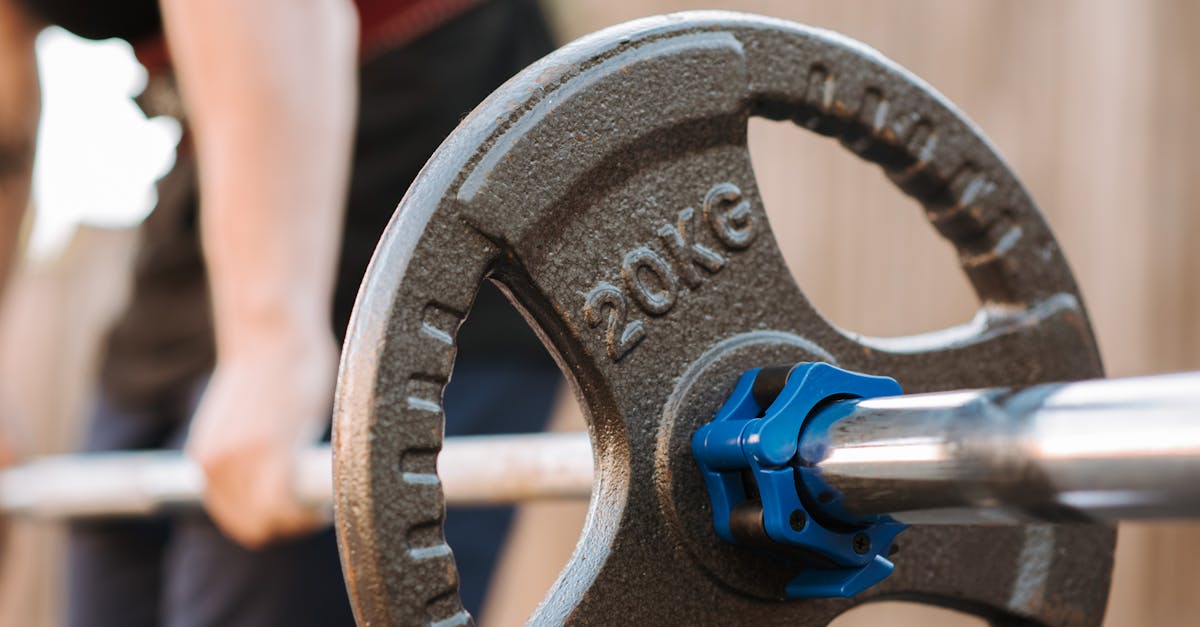
You hit the gym five days a week, add another plate to the bar, and crush your personal bests. You feel like a beast, but the second you sprint for a frisbee in the park or try to jump for a rebound, your feet feel glued to the mud. What gives? Many lifters get caught in this exact trap. You built raw muscle, but you forgot how to be quick. In this guide, you will discover the real difference between grinding under massive weights and building lightning-fast snap. By the end, you will know how to adjust your sweat sessions so you can stop moving like a slow truck and finally move like an athlete.
The Bulldozer Versus the Sports Car
Think about a giant bulldozer at a construction site. It can push tons of dirt, knock down concrete walls, and shove boulders out of the dirt without breaking a sweat. But how fast does it do that? Pretty darn slow. Now think about a bright red sports car. It cannot push a pile of rocks, but the moment you tap the gas pedal, it rockets down the street in a blink.
Heavy lifting is your bulldozer mode. It is all about strength, which is the total amount of weight your muscles can push or pull, no matter how long it takes. Power, on the other hand, is your sports car mode. It is not just about moving something heavy. It is about moving something fast. When you hear coaches talk about power, they are talking about speed combined with strength.
The Physics Behind the Punch
Let’s make this simple. In everyday life, strength is force. Power is force multiplied by speed. If you move a mountain over the course of an hour, you are strong. If you move that same mountain in two seconds, you are powerful.
When you tackle a heavy lift, your bar might take three or four full seconds to rise. You are grinding. Your face turns red. Your teeth clench. That builds amazing grit and dense muscle. But sports and real-life emergencies do not give you three seconds to produce force. When you trip on a sidewalk, your foot has about a split second to strike the ground and catch you before you faceplant. That split second is where power lives.
What Happens Inside Your Muscles
Your body has different kinds of muscle fibers. You have slow-twitch fibers that can run all day without getting tired, and you have fast-twitch fibers that act like tiny firecrackers. They bring the heat, but they burn out fast.
When you lift a weight that is super heavy, your brain signals every single muscle fiber it can find to join the fight. The catch? Because the barbell weighs so much, the actual movement stays slow. When you train specifically for power, your goal changes completely. You want those firecracker fibers to light up instantly. You are not just training the meat on your bones; you are training your nervous system—the biological wiring that sends shockwaves from your brain to your muscles—to hit the go-switch in a flash.
The Playground Test: A Quick Story
To see how this works in real life, imagine a fictional teenager named Leo. Leo spends all winter doing heavy leg presses. He gets so strong he can push three hundred pounds on the machine. He feels invincible.
One afternoon at the local park, Leo and his friend Maya come across a muddy ditch that is five feet wide. Maya does not lift heavy barbells, but she plays volleyball, jumps rope, and does short sprints.
Leo tries to jump first. He bends down deep, pauses, and pushes as hard as he can. Splat. He lands right in the middle of the mud.
Maya steps back, takes one quick bounce, and snaps off the ground like a rubber band, clearing the puddle easily.
Why did Leo miss? He had plenty of force, but he had zero snap. He could not produce that force quickly enough before his shoes left the grass.
Why Heavy Lifting Alone Can Slow You Down
Heavy lifting is awesome, and everyone should do some of it. But if you only lift heavy, you end up teaching your brain bad movement habits. Your body gets comfortable moving slowly.
When you grind out reps near your limit, you accidentally teach your muscles to decelerate near the top of the lift so the barbell does not fly out of your hands. That means your body learns to slam on the brakes right when you should be accelerating. If that is all you ever practice, your natural pop fades away. You end up strong as an ox, but stiff as a board.
How to Train for Pure Pop
So, how do you flip the switch? You do not need fancy gadgets. You just have to change the way you move the weight. When training for power, the weight should feel almost light, but your effort needs to be explosive.
- Throw things: Grab a rubber medicine ball and slam it into the floor or against a brick wall as hard as humanly possible. You do not have to slow down at the end; you just let it fly.
- Jump on things: Box jumps, broad jumps, and hopping over cones teach your legs to absorb ground contact and bounce right back up.
- Move iron fast: Instead of squatting as much weight as you can survive, take half that weight and drive up so fast that your heels almost leave the floor.
Keep your repetitions low. If you do twenty jumps in a row, you are building endurance, not power. Do three to five reps, rest until you feel completely fresh, and do it again.
Finding the Sweet Spot in Your Routine
You do not have to pick sides. You do not need to throw away your heavy weights to become bouncy, and you do not need to stop jumping to get big muscles. The best athletes in the world do both.
Think of strength as the foundation of a house. The deeper and wider that concrete base is, the taller you can build the walls. Heavy lifting builds that solid base. Once the base is there, power training builds the sharp roof and high towers. Our team loves seeing people hit big numbers on basic lifts, but we get even more excited when those same people can run, cut, and jump without feeling like they are wearing concrete boots. Put your explosive work early in your workout while your brain is awake, save the heavy lifting for the middle, and you get the best of both worlds.
Getting strong gives you a bigger motor, but training for power gives that motor an instant gas pedal. Grinding through slow, heavy squats builds a great base, but you can’t stop there if you want to run faster, jump higher, or just feel snappy in everyday life. Real athletic ability comes from teaching your brain and muscles to fire right now, not five seconds from now. So, drop the ego, peel a few plates off the bar, and practice moving lighter loads with pure speed. Pair your heavy days with explosive jumps and throws. Once you bridge the gap between force and velocity, you won’t just look strong—you will move with real, effortless pop.