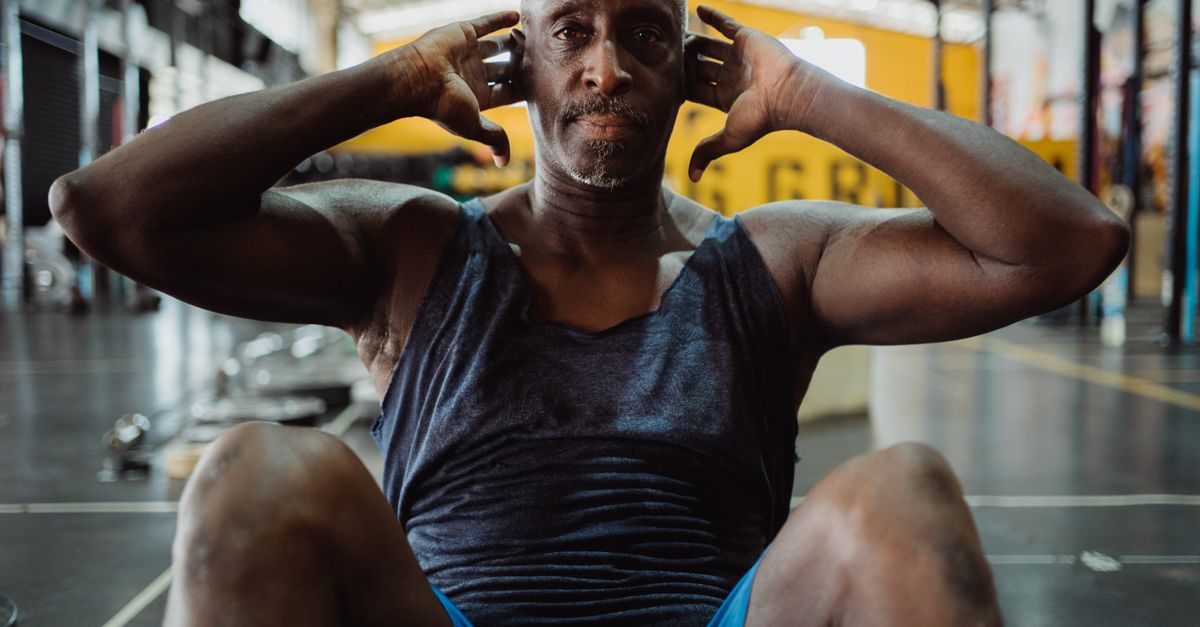
You hit the gym, crush your workouts, and grind through hundreds of regular crunches. Yet, you still feel a bit unstable when carrying heavy grocery bags in one hand, or maybe your lower back aches whenever you twist around to grab something from the back seat of your car. That is because regular crunches only move you forward and back, totally skipping the sides of your core. If you want real stability, athletic power, and a waistline that actually supports your daily life, you need to show your obliques some love. In this guide, you will learn the exact gym moves that light up these side muscles, how they protect your spine, and how our team helps gym-goers build balanced, resilient strength that pays off everywhere.
Meet the Side Armor You Keep Ignoring
Think of your midsection as a tough canvas jacket. The six-pack muscles right down the middle are like the front zipper. But your obliques? They are the thick stitching and heavy fabric wrapping all the way around your ribs down to your hips. You have internal and external obliques crisscrossing each other, forming a natural brace.
Imagine a fictional guy named Leo. Leo loves playing weekend pickup basketball. One Saturday, he jumps, twists in mid-air to catch a pass, and immediately feels a sharp pull in his side. Why? His front abs were strong from planks, but his side walls were running on empty. When your obliques are weak, your lower back takes the hit whenever you twist. Strengthening them is like upgrading from flimsy cardboard armor to solid steel plating.
The Cable Woodchopper: Powering Up Everyday Rotation
Since your obliques help you rotate, it makes sense to train them with twisting movements. Enter the cable woodchopper. Picture yourself swinging an axe at a tree trunk, except you are holding a gym cable handle with both hands.
Set the pulley high, grab the handle, stand sideways, and pull the cable down and across your body toward your opposite knee. Keep your arms mostly straight. The secret here is not pulling with your shoulders or arms. You want to start the move by pivoting your back foot and squeezing your tummy hard. When you slice down smoothly, your obliques do the heavy lifting. Control the weight on the way back up. If you let the stack slam, you miss out on half the muscle-building work.
The Hanging Knee Raise with a Twist: Fighting Gravity
Once you get used to rotating with cables, it is time to hang from a pull-up bar. Most people use this bar for standard leg raises, but adding a tiny twist shifts the tension right to your flanks.
Jump up, grab the bar tight, and let your body hang still. Instead of pulling your knees straight up to your chest, pull them up toward your right armpit. Pause for a second, lower them down smoothly, and then pull them up toward your left armpit. Do not swing like a monkey on monkey bars. If you build up too much momentum, you cheat your muscles out of the workout. Moving slowly makes the exercise twice as tough and three times as effective.
The Pallof Press: The Secret Magic of Not Moving
Here is a weird truth about your core: sometimes it gets strongest by fighting movement rather than creating it. Trainers call this anti-rotation, and the Pallof press is the king of this style.
Walk over to the cable machine and set the handle at chest height. Stand sideways to the machine, hold the handle with both hands against your sternum, and take two steps away to create tension. Now, press your hands straight out in front of you. The cable will try desperately to yank your torso sideways back toward the machine. Your job? Stand like a statue. Lock your hips, squeeze your glutes, and hold that handle dead center for two seconds before bringing it back in. It looks easy from across the room, but your deep obliques will be shaking within five reps.
The Suitcase Carry: Real-World Balance Under Heavy Pressure
Think about carrying a wildly heavy suitcase through an airport terminal. The bag wants to pull your shoulder down toward the floor, making you walk like a tilted penguin. Fighting that lean is pure oblique work.
Pick up one heavy dumbbell or kettlebell with your right hand. Stand tall with your shoulders level, like you are balancing a book on your head. Now, walk fifty feet forward in a straight line. Do not let the weight rest against your thigh, and do not lean to the left to compensate. Walk with smooth, deliberate steps. By the time you switch hands and walk back, your sides will be burning. This simple walk builds bone-deep stability that carries over directly to picking up awkward loads at home.
Side Planks with a Dip: Locking Down Lateral Stability
We cannot talk about sides without bringing up the classic side plank. But static holds can get boring fast, so let us add an active dip to light up the lower half of your torso.
Lie on your side, propping yourself up on your forearm with your elbow directly beneath your shoulder. Stack your feet, lift your hips off the floor, and create a straight line from your ankles to your ears. From there, let your bottom hip drop down until it barely touches the floor, then drive it back up toward the ceiling as high as you can. That squeeze at the top pinches your lower oblique hard.
- Keep your chest open rather than rolling forward toward the mat.
- Breathe out as you press your hips up.
- Aim for ten slow, controlled dips per side.
Building strong obliques is not about chasing endless side crunches or twisting until your back aches. It is about training your core to handle rotation, push back against unwanted twists, and carry off-center weight with total control. When you combine rotational cable chops, hanging knee raises, static presses, and heavy single-arm carries, you create a midsection that works together like a well-oiled machine. You will stand taller, run smoother, lift heavier, and walk away from accidental twists without nagging twinges. At our training hubs, we see everyday people transform their movement simply by paying attention to these forgotten muscles. Pick two of these moves to plug into your next gym trip, keep your form rock solid, and enjoy feeling stronger from every single angle.