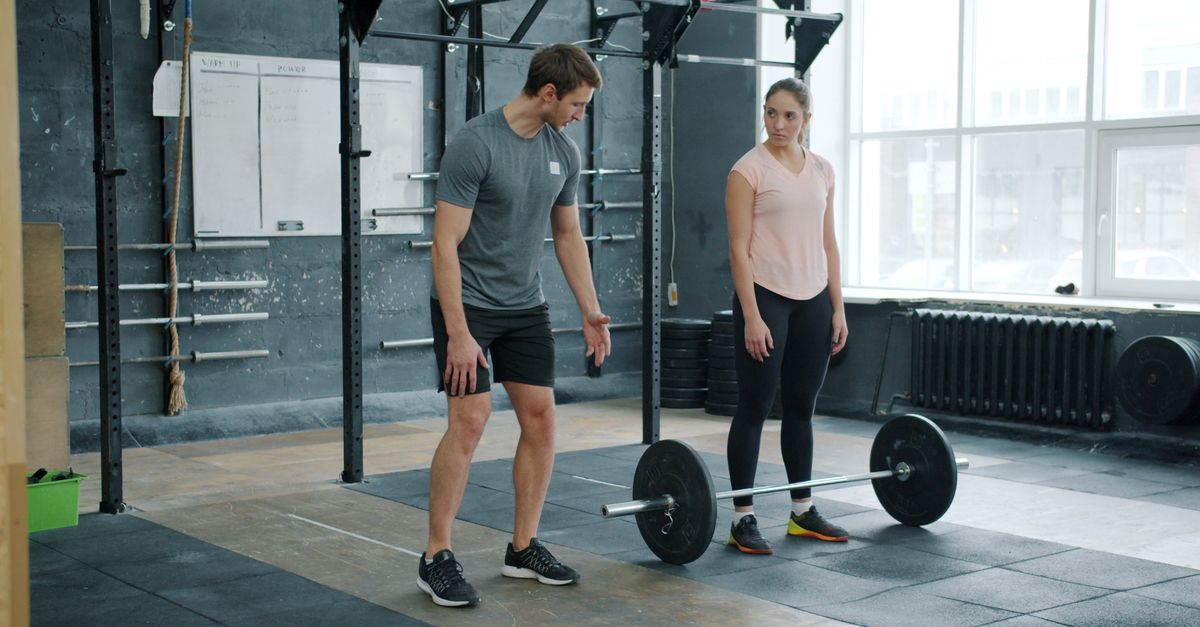
Walking into the free-weights area can feel like stepping onto another planet. Metal clangs everywhere, mirrors line every wall, and you are left wondering if your knees are supposed to bend like that during a squat. You want to get stronger, but you are terrified of hurting your lower back. Hiring a personal coach sounds like the best move, yet picking the wrong person can leave you broke and still moving awkwardly. In this guide, we are looking at the exact questions you should ask a coach before you hand over your hard-earned cash. Read this through, and you will walk into your gym consultation knowing how to spot a true movement expert who keeps you safe.
What certifications do you have, and how do they focus on movement?
Anyone can buy a clipboard, put on a whistle, and call themselves a fitness guru. Some online certificates take only an afternoon to complete. You want to ask what schooling they went through and what it taught them about bones, joints, and muscles. Think of it like taking guitar lessons. You would not want someone who just plays by ear and cannot explain finger positions. You want someone who knows why your fingers go there. Ask them point-blank about their background in biomechanics, which is just a fancy word for how our bodies move. If they brag about how hard their workouts are instead of how they study safe movement, walk away.
How will you test my baseline mobility before we touch a barbell?
A great coach never rushes you straight to the heavy iron on day one. Imagine a fictional beginner named Sarah who sits at an office desk all day. If a trainer tells Sarah to throw a barbell overhead right away, her stiff shoulders might force her back to arch dangerously. A good instructor will first run a movement screen. They should watch you do bodyweight squats, reach for the sky, or balance on one foot to spot tight spots. Ask them how they figure out your starting point. At our training spaces, we always insist on checking how well someone bends before we ever ask them to lift heavy things.
What will we do if an exercise hurts or feels weird?
Lifting weights should challenge your muscles, but it should never give you sharp pain in your joints. If you tell a coach your knee pinches during lunges, you need to know how they will react. Bad coaches say, “No pain, no gain,” and push you harder. Smart coaches have three backup plans ready to go. They might adjust your foot width, change the angle of your torso, or switch you to a box step-up instead. Ask them for a quick example of how they tweak an exercise when a client feels pinched or stuck. Their answer tells you whether they listen or just follow a script.
How do you break down big lifts for beginners?
Complex exercises like the deadlift are like building a Lego castle. You cannot slap the roof on before you build the walls. Ask the trainer how they teach a lift step-by-step. A great coach will start with a simple hip hinge against a wall, then hand you a light kettlebell, and only later move you to a loaded barbell. They should use simple cues you can actually picture in your head, like “crush an orange under your armpits” to tighten your back, rather than barking confusing jargon. If they cannot explain a lift simply, they probably do not understand it well enough to teach it.
Can you explain the real reason behind your cues?
When you are sweating under a bar, you do not want to follow blind orders. You want to understand what your body is doing so you can lift safely even when your coach is not standing right beside you. Ask the trainer how they explain the why behind their cues. For example, if they tell you to screw your feet into the floor, do they explain that it creates tension in your hips to keep your knees steady? A great instructor wants you to become self-sufficient over time, not dependent on them forever. They treat you like a partner in learning, not just someone doing chores.
How do you check and track my lifting form over time?
Good technique is not something you learn once and keep forever like riding a bike. As the weights get heavier, form tends to slip. Ask the trainer how they keep tabs on your progress. Do they pull out a phone and film a set from the side so you can both look at your spine angle together? Do they keep notes on your movement flaws week to week? Visual feedback is a game-changer because what feels like a straight back might actually look like a frightened cat on camera. You need a coach who tracks your movement quality just as closely as the numbers in your workout log.
Finding the right guide for your fitness journey does not have to feel like a gamble. When you ask about their movement background, their testing process, their backup plans for pain, and how they break down big exercises, you quickly weed out the posers. A great coach will be excited to answer these questions because it shows you care about doing things right. Learning clean form protects your joints, builds real confidence, and keeps you active for decades to come. Take these questions with you, trust your gut during the initial chat, and pick someone who respects your body as much as you do. Happy lifting, and enjoy the process of getting stronger safely.