Walking into a fitness club for the very first time can feel like stepping onto an alien planet. You’ve got your brand-new sneakers tied tight, you want more energy, and you’re ready to get strong, but the sea of clanking iron and complicated cables can freeze you in your tracks. It’s totally normal to feel a bit lost or worry about looking silly. That’s why we’re breaking down seven classic slip-ups almost every beginner walks into, along with easy fixes for each one. By reading this through, you’ll dodge annoying aches, protect your joints, and save months of wasted effort. You’ll finally walk onto the gym floor feeling like you truly belong there.
Skipping the Warm-Up Completely
Picture a fictional beginner named Leo. Leo sits in an office chair for eight hours, rushes to the locker room, ties his laces, and immediately loads up a barbell. His cold muscles are basically like stiff rubber bands left out in the snow. When you yank on a frozen rubber band, it snaps.
Your body works the exact same way. Jumping straight into heavy lifting without prepping tells your joints to handle massive pressure while they’re still half-asleep.
A quick warm-up doesn’t need to take all day. Spending five minutes on simple bodyweight moves helps wake everything up:
- Arm circles to lube up your shoulder sockets
- Bodyweight squats to get blood flowing into your hips and knees
- A short, brisk walk on the treadmill to raise your core body temperature
Once your body feels warm and loose, you’re ready to pick up some weights without shocking your system.
Letting Your Ego Pick the Weight
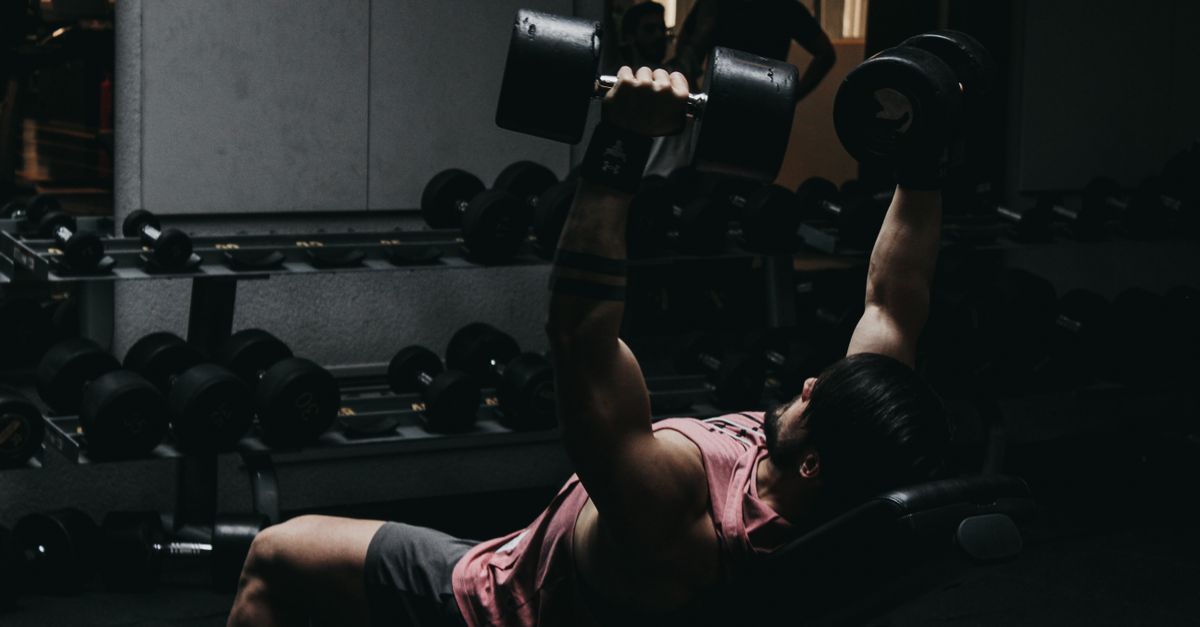
Now that Leo is warmed up, he looks around and spots someone lifting giant iron plates. Not wanting to look weak, Leo grabs dumbbells that are way too heavy for him. By rep three, his back curves like a frightened cat, his shoulders hitch up to his ears, and the weights are flying around with wild momentum.
This is what folks call ego lifting, and it’s a super fast track to a pulled muscle. Your muscles grow from tension, not from how cool you look across the room.
Drop the weight down. Pick an amount where you control every single inch of the movement. If you can’t pause at the top or your body starts shaking like a leaf on the first rep, it’s simply too heavy. There’s no shame in starting small; building good habits now creates real power later.
Copying the Loudest Person in the Room
Once you drop the heavy weights, you still need to know what moves to actually do. This is where beginners often make another honest mistake: they look across the gym and copy whatever the most muscular person is doing. Let’s say Leo watches an advanced lifter doing a bizarre, upside-down twisting cable crunch.
Here’s the catch. That lifter might have ten years of training under their belt, or honestly, they might just be doing something silly they saw on social media. Copying advanced or wacky moves without knowing the basics is like trying to play complex guitar solos before learning your first chord.
Stick to the fundamentals. Classic exercises like goblet squats, chest presses, and seated rows give you the best bang for your buck. Our team sees beginners get way better results when they master three or four basic movements instead of juggling twenty fancy tricks.
Cutting Your Range of Motion Short
So you picked the right basic moves. Great! But are you doing the whole movement, or are you cheating the rep? When people use weights that are slightly too heavy, they often start cutting corners without even noticing.
Imagine doing a squat, but only dipping your knees two inches down before standing back up. Or doing a bicep curl and only lowering the dumbbell halfway down before yanking it back up. That’s called partial reps.
When you cut reps short, your muscles miss out on the best part of the exercise: the stretch under load. Moving through a full range of motion trains the muscle across its entire length. It keeps your joints flexible and builds strength you can actually use when picking up groceries or playing with your dog at home.
Holding Your Breath Under Pressure
As you focus on moving all the way down and up, something funny happens. You clamp your mouth shut and forget to breathe.
We see this all the time. A beginner pushes against a weight, locks their throat, and turns bright red like an overripe tomato. Holding your breath shoots your blood pressure through the roof and can make you feel lightheaded, dizzy, or downright nauseous.
Think of breathing like your body’s built-in engine exhaust. A super simple rule of thumb to keep in mind:
- Breathe in slowly when the weight is lowering or coming toward you.
- Blow air out forcefully through your mouth when you push or pull the weight away.
Breathing keeps fresh oxygen flowing to your muscles, stabilizes your ribs, and makes hard lifts feel surprisingly smoother.
Thinking You Must Feel Wrecked to Make Progress
You finished your workout, breathed well, and used great form. The next morning, you wake up and your legs don’t feel like jelly. You might think, “Did I even work out hard enough?”
A huge myth floating around gyms is that if you can walk down stairs easily the next day, your workout was a total waste. That’s just not true. Extreme muscle soreness is just a sign of novelty—meaning your body did something new. It isn’t a badge of honor, and it definitely isn’t proof of muscle growth.
If you wreck yourself every single session, you’ll dread coming back. Fitness shouldn’t feel like a punishment. Chasing small, steady improvements—like adding one extra rep or feeling a little more stable—matters ten times more than hobbling around your house all week.
Skipping Your Rest and Sleep
Because beginners want fast results, they often fall into the trap of going to the gym seven days a week. It feels productive, but it actually backfires. Muscles don’t grow while you’re lifting; the gym actually breaks muscle fibers down. Your body only rebuilds them stronger while you’re resting on the couch and sleeping in bed.
If you never pause, your body stays broken down. You end up tired, cranky, and stuck in a rut where your strength drops instead of climbing.
Treat your rest days with the same respect you give your workout days. Aim for seven to eight hours of solid sleep, drink plenty of water, and give each muscle group at least a day or two to chill out before working it again.
Getting fit doesn’t require secret handshakes or punishment routines. When you skip the warm-up, let your ego run the show, or copy random gym-goers, you set yourself up for frustration. But once you focus on smooth form, full reps, steady breathing, and smart recovery, everything clicks into place. Fitness is a long, fun journey, not an overnight sprint. We love helping people figure out these early steps because watching someone gain true gym confidence is the best feeling in the world. Next time you lace up, take things one simple step at a time, listen to your body, and enjoy the ride. You’ve totally got this.