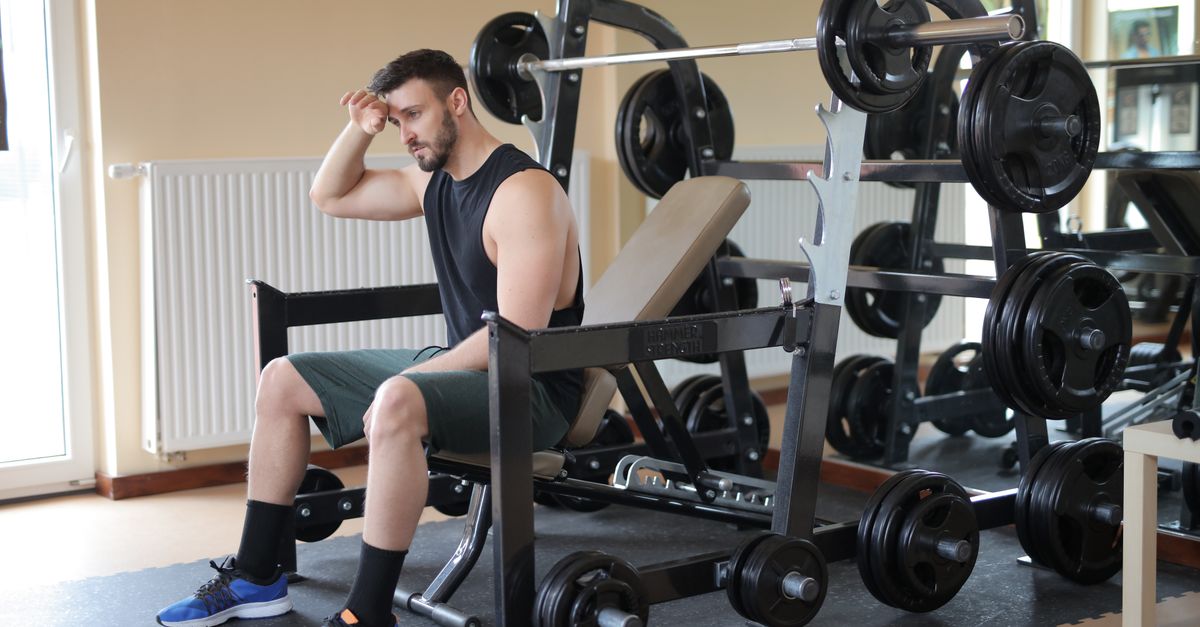
You love the gym. You show up, sweat through tough workouts, and chase those personal bests week after week. But recently, things feel off. The weights feel twice as heavy, your knees ache, and dragging yourself through the front door takes serious willpower. You might think you just need to grind harder, but pushing through the sludge usually backfires. That is where a deload week comes to the rescue. In this quick guide, we will break down what a deload actually does, how to spot the signs that you need one right now, and simple ways to pull it off without losing an ounce of muscle. Finish this read, and you will learn how easing up can actually make you stronger.
What In The World Is A Deload Week Anyway?
Think of your body like a smartphone battery. When you work out hard, you drain that battery. Sleeping and eating lunch recharges it a bit, but if you keep heavy apps running nonstop, the battery drains faster than you can charge it. Soon enough, you are stuck at five percent.
A deload week is simply hitting low-power mode for seven days. You still head into the gym, but you lift lighter weights or do fewer sets. You are not quitting or turning into a couch potato. You are just giving your muscles, tendons, and brain a chance to fully catch up so your battery can charge all the way to one hundred percent again.
The Guy Who Refused To Take A Break
Let us look at a totally fictional story to see how this plays out in real life. Imagine a lifter named Marcus. Marcus loved lifting weights. He went to the gym five days a week, every single week, for six months straight without a single easy week.
At first, he felt like Superman. He kept adding weight to his bench press, and his arms looked bigger in his shirts. But around month five, Marcus hit a wall. His elbows started feeling like they were stuffed with hot sand. His normal warm-up weights felt like giant boulders. Instead of backing off, Marcus drank two energy drinks and tried to force the reps anyway.
Two weeks later, his shoulder flared up during an overhead press, forcing him to sit on the sidelines for two whole months. Marcus learned the hard way that if you do not pick a time to rest, your body will eventually pick it for you.
Dead Giveaways That You Need To Slow Down
Your body is constantly sending you text messages, but you have to actually read them. You do not need fancy laboratory tests to know when fatigue is piling up.
Keep an eye out for these everyday red flags:
- The weights feel stuck: You used to squat two hundred pounds for five reps easily, but today you barely squeezed out three.
- Your joints feel cranky: Your knees, shoulders, or wrists ache long after you leave the gym.
- Your sleep is a mess: You feel wiped out all day, but when your head hits the pillow at night, your brain races and you toss and turn.
- You are just plain moody: Little things get on your nerves, and the thought of lifting feels like a boring chore instead of a fun hobby.
If you check two or three of these boxes, your body is waving a yellow caution flag.
How To Run A Deload Without Losing Muscle
A lot of lifters freak out when they hear the word deload. They worry that taking it easy for a week will cause all their hard-earned muscle to vanish into thin air. Do not worry, that will not happen. It takes weeks of total laziness to actually lose muscle tissue.
You can handle a deload in a couple of super simple ways:
- Drop the weight: Keep doing the exact same exercises and reps, but cut the weight on the bar by about forty to fifty percent. It should feel ridiculously easy.
- Cut the volume: Keep the weight moderately heavy, but cut your sets in half. If you normally do four sets of squats, just do two crisp, clean sets and walk away.
The goal is to practice the movements, get blood moving to your tissues, and leave the gym feeling refreshed rather than completely wrecked.
Plan Ahead Or Wing It?
Should you schedule a deload on your calendar, or should you wait until you feel run down? There are two camps here, and both have their perks.
Some folks like planned deloads. They schedule an easy week every six to eight weeks of hard training, like clockwork. This keeps problems from popping up in the first place. Other folks prefer reactive deloads. They just lift hard until their numbers dip or life gets crazy, and then they back off.
If you are brand new to the gym, you can usually train for months without needing one. But if you have been lifting heavy for a while, scheduling a break every couple of months keeps you healthy. Here at our fitness tracking company, we help lifters keep an eye on workout stress so they know when to pull back before hitting the wall. Finding that steady rhythm takes all the guesswork off your plate.
Winning The Mental Battle Of Taking It Easy
The toughest part of a deload is rarely physical. It is entirely between your ears. When you are used to leaving everything on the gym floor, walking out after a light thirty-minute session can make you feel guilty. You feel like you cheated on your goals.
Flip that mindset on its head. Professional race cars do not skip pit stops to save time; they take pit stops so their tires do not blow out at top speed. Your deload week is your pit stop. You are letting inflammation drop, resting your nervous system, and rebuilding worn-out tissues. When you walk back into the gym the following week, you will feel explosive, hungry, and ready to set brand-new records.
Hitting the gym consistently is awesome, but going full throttle every single day is a fast track to burnout and stubborn injuries. Deload weeks give your body the breathing room it desperately needs to heal up and grow stronger. Whether you lower the weights on the bar, trim your sets in half, or just swap heavy barbells for a casual walk, taking an intentional step back keeps you in the game for the long haul. Pay attention to the subtle cues your body gives you, ditch the guilt about taking it easy, and treat recovery as a vital part of your training plan. Next time you hit a wall, do not push harder—ease off the gas and watch your progress take off.