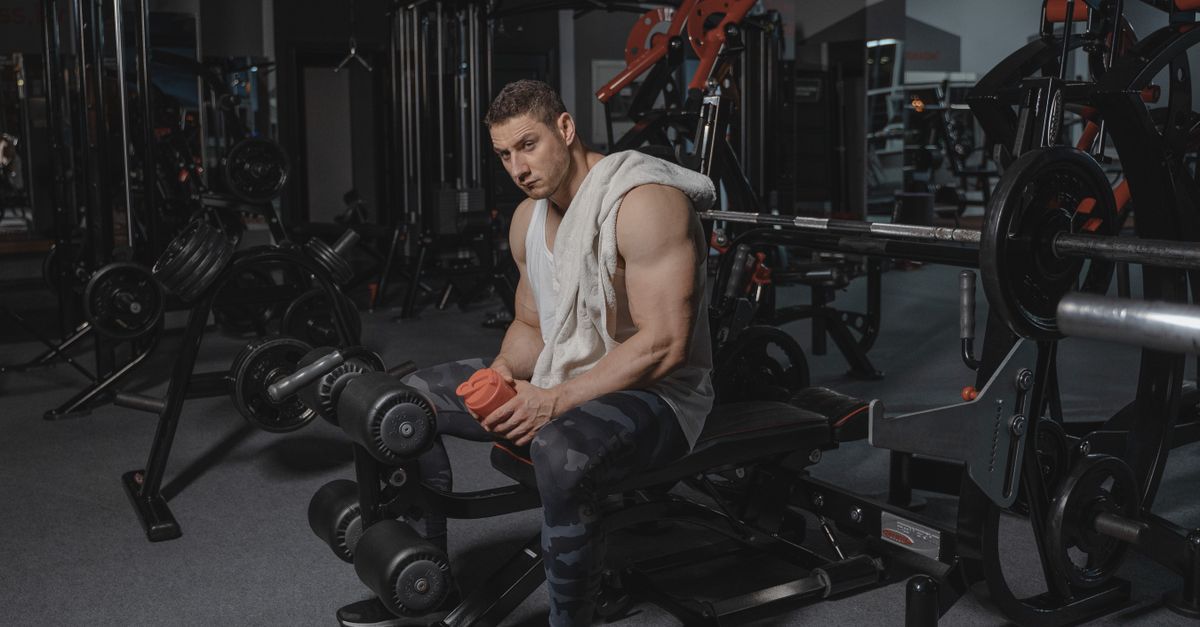
You pack your gym bag, lace up your sneakers, and show up ready to sweat four, five, or six days a week. You want real results, whether that means building muscle or staying fit. But lately, you feel stuck. Your legs feel like concrete, your energy is completely drained, and lifting weights feels like pushing boulders uphill. You might think you aren’t working hard enough, but the opposite is true: you aren’t resting enough. In this guide, you will discover how to plan your rest days around your workouts with zero stress. By the end, you’ll know exactly when to kick back, how to recover faster, and how to keep making gains without burning out.
Why Muscles Actually Grow on the Couch, Not in the Gym
A lot of people think muscle grows while they’re sweating under a barbell. It feels that way because your arms puff up and your heart races. But that isn’t what is happening under the hood.
When you lift weights, you are actually creating tiny, microscopic tears in your muscle fibers. Think of it like a crew tearing up an old, cracked road. The gym is the demolition team. If the wrecking crew shows up every single day without letting the pavers lay fresh asphalt, the road just turns into a giant pit of dirt. Rest days are when your body sends in the construction crew. They repair those tiny tears, lay down stronger tissue, and make you ready for the next round. If you skip rest, you skip the rebuild.
The Two Types of Days Off: Couch Potato vs. Light Mover
Rest days don’t all look the same. You have two main tools in your recovery toolbox: passive rest and active recovery.
Passive rest means kicking your feet up, binge-watching your favorite show, and barely leaving the house. These days are golden when you are totally wiped out or fighting off a head cold. On the other hand, active recovery means moving your body gently without breaking a hard sweat. Think about things like:
- Going for a casual twenty-minute stroll around the neighborhood.
- Taking an easy bike ride on a flat trail.
- Doing ten minutes of slow, relaxed stretching in your living room.
Active recovery works like magic because it gets your blood moving. Blood carries oxygen and nutrients straight to your sore spots, which clears out that stiff, heavy feeling way faster than sitting completely still.
How to Read Your Body’s Check-Engine Light
Cars have little lights on the dashboard that warn you before the engine starts smoking. Your body has them too, but you have to pay attention to see them.
Let’s look at a fictional guy named Sam. Sam is super dedicated. He plans to hit the gym five days straight, but on Thursday morning, he wakes up feeling awful. His alarm sounds like a siren, his knees ache just walking down the stairs, and he snaps at his roommate over spilled milk. These aren’t just bad moods; they are flashing warning lights. If you notice any of these signs, put the gym shoes away:
- Weights that usually feel light suddenly feel like lead.
- You toss and turn all night even though you feel exhausted.
- You feel grumpy, annoyed, or lose all excitement for the gym.
- Your joints feel achy rather than just having normal muscle soreness.
Taking an unplanned rest day when these signs pop up will save you from getting injured and sitting on the sidelines for months.
Mapping Out Your Rest to Match Your Routine
You don’t need to guess when to take a break. You can plug your rest days right into your weekly calendar so you never have to wonder what to do.
If you do full-body workouts three times a week, the easiest trick is taking an “every-other-day” approach. You lift on Monday, Wednesday, and Friday, and you take Tuesday, Thursday, and the weekend off. This gives your whole system forty-eight hours to recharge between tough sessions.
If you prefer an upper-body and lower-body split four days a week, try working out on Monday and Tuesday, taking Wednesday off, working out on Thursday and Friday, and taking the weekend off. That little break right in the middle of the week stops fatigue from piling up. That’s why our coaching team builds scheduled downtime directly into every routine we create; without built-in breaks, even the most exciting fitness routine falls apart fast.
What to Eat and Drink on Days You Don’t Train
A huge trap people fall into is thinking they should barely eat on rest days because they didn’t burn a bunch of calories. That is a massive mistake.
Remember that road construction crew? They can’t lay down new asphalt if the supply trucks never show up. Your body needs protein to rebuild muscle tissue, complex carbs to refill your energy stores, and plenty of water to keep your joints happy. You don’t need to eat a massive feast, but you definitely shouldn’t starve yourself. Keep drinking your water, eat balanced meals with plenty of protein, and let that fuel go straight to work repairing your body.
Winning the Mental Battle Against Gym Guilt
The hardest part of taking a rest day usually isn’t physical. It is mental.
You might sit on the sofa thinking you are being lazy, or worrying that you are going to lose all your hard-earned progress in twenty-four hours. Let’s be clear: you will not lose your strength or muscle from taking a couple of days off. In fact, real fitness progress isn’t just about how hard you can push; it is about how well you can recharge. Elite athletes don’t feel bad about sleeping eight hours or taking a day off. They see rest as a weapon that lets them attack their next workout with twice as much power. Change the way you look at it. You aren’t skipping the gym; you are executing the recovery phase of your training plan.
Planning your rest days is the real secret sauce to getting stronger, faster, and healthier. Working out breaks your body down, but resting is what actually puts you back together. Remember to mix both lazy days and light active recovery walks to keep your blood pumping. Always listen when your body whispers that it is tired, and match your days off directly to your workout split so you never overdo it. Don’t slash your food just because you aren’t hitting the iron, and please ditch the mental guilt. When you treat recovery like an essential part of your routine, you show up every week fresh and unstoppable. Take that well-earned break today, and go crush your next session tomorrow!