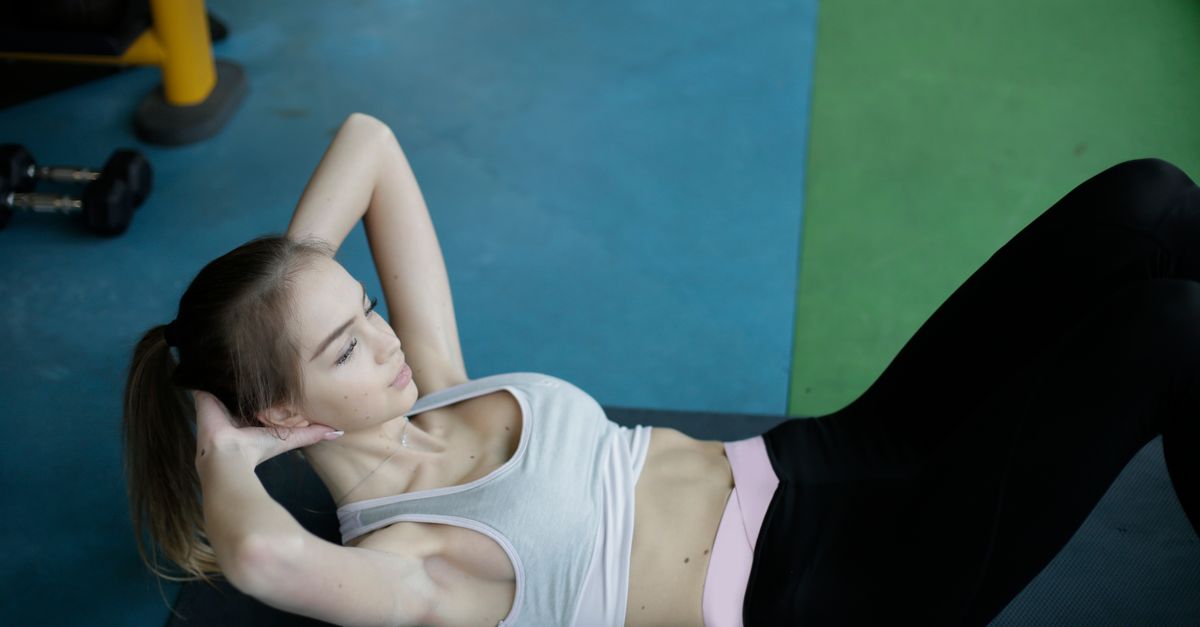
You have probably been there: lying on a grimy gym mat, doing crunch after crunch until your neck screams in agony, while your abs barely feel a thing. You are putting in real effort, but your midsection looks and feels the exact same. That is endlessly frustrating. Floor crunches simply lack the resistance you need to build real, functional strength. In this guide, you will discover why the standing cable crunch is the missing link in your core routine. We are going to walk through the exact setup, the secret to curling your spine without hurting your back, and the common traps to avoid. Stick around, and you will walk away with a stronger core that actually shows up when you need it.
Why Floor Crunches Stop Working
Think about how you build stronger arms. You would not grab an empty soup can and curl it five hundred times, right? Your muscles get bored, and they stop growing. To get stronger, you have to add weight. Progressive overload is the fancy gym word for it, but all it means is challenging your body with a little more resistance over time.
Floor crunches hit a brick wall pretty fast. After your body weight becomes too easy, all you can really do is add more reps. Doing eighty sit-ups in a row tests your patience more than your strength. Worse yet, tired lifters usually start tugging on their heads, which gives them a sore neck instead of six-pack muscles. You need a way to challenge your belly muscles with real weight, and that means getting off the floor.
The Magic of Constant Cable Tension
Free weights are great, but gravity only pulls straight down. If you hold a weight plate on your chest on the floor, the exercise feels super tough at the bottom and strangely easy near the top. That is where cable machines come to the rescue.
Cables do not care about gravity. They pull against you in whichever direction you set the pulley, keeping the tension silky smooth from start to finish. There is no dead spot where your abs get to take a nap. Lots of folks do these crunches kneeling, but standing up gives you some sweet perks:
- No bruised knees from grinding into hard gym floors.
- Much easier setup when the gym is packed.
- More direct transfer to real life, where you do most things on your feet.
Setting Up Without Looking Clueless
Walking up to a cable station can feel intimidating if you do not know the settings. Let us picture a fictional lifter named Mark. Mark used to walk past the cable machine every single day because he was not sure how to adjust the pins without making a racket. Once he learned this simple two-step checklist, he looked like a pro.
First, slide the pulley cart all the way to the top of the tower and click the pin into place. Attach the rope handle—the one with the big rubber knobs on each end. Stand facing directly away from the weight stack, grab the handles with both hands, and pull the rope down so your hands rest right next to your ears or your collarbone.
Take one step forward to pull the weights off the stack. Place your feet about shoulder-width apart, soften your knees, and brace your stance. You are now locked, loaded, and ready to roll.
How to Move: Ribs to Belt Buckle
Here comes the most important detail in the whole movement. The standing cable crunch is not a bow. If you just bend forward at the hips with a flat back, your hip muscles do all the heavy lifting, while your abs just hang out for the ride.
Picture rolling up a foam yoga mat. You want to curl your upper body downward, bringing your ribcage directly toward your belt buckle. Your hips should stay almost completely still in space. Keep your hands glued to your head; your arms are merely hooks holding the rope, not ropes doing the pulling. Exhale hard as you curl down, squeeze your stomach tight for a full second, and slowly unroll back to the start. It is short, controlled, and intense.
Mistakes That Steal Your Progress
Even seasoned gym-goers mess this exercise up because they let their egos pick the weight. When the pin sits too deep in the weight stack, good form flies right out the window. Keep an eye out for these classic slip-ups:
- Turning it into a tricep pushdown: Do not pump your arms up and down. Lock your hands by your ears and keep them frozen there.
- The hip hinge: If your butt shoots back like you are trying to close a car door with your rear end, stop. Keep your hips pinned in place so your spine has to round naturally.
- Using crazy momentum: Dropping fast like a falling tree will not build muscle. Control the weight on the way up just as much as on the way down.
Fitting Cable Crunches into Your Routine
You do not need to spend half an hour working your midsection. In fact, doing that usually means you are not working hard enough. At our training community, we love keeping core work short, sweet, and focused so you can get on with your day.
Aim for two to three sets of ten to fifteen clean repetitions, two times a week. Pick a weight where the twelfth rep makes your midsection shake just a little bit. Once you can knock out fifteen crisp reps without your form breaking down, move the pin down one notch. That slow climb is how you build an unbreakable midsection that helps your deadlifts, protects your spine, and looks athletic.
Building a strong midsection does not mean suffering through endless, boring floor sit-ups that leave your neck stiff. By standing up and grabbing the cable rope, you give your abdominal muscles the heavy, constant challenge they actually crave. Remember to lock your hips in space, focus on pulling your ribcage straight toward your hips, and leave your ego at the door when picking the weight. Treat your abs like any other muscle group by slowly adding weight over time. Give this move an honest try during your next workout, pay attention to the form cues we covered, and you will feel a deep core burn you simply cannot get on the floor. Here is to training smarter and standing tall.