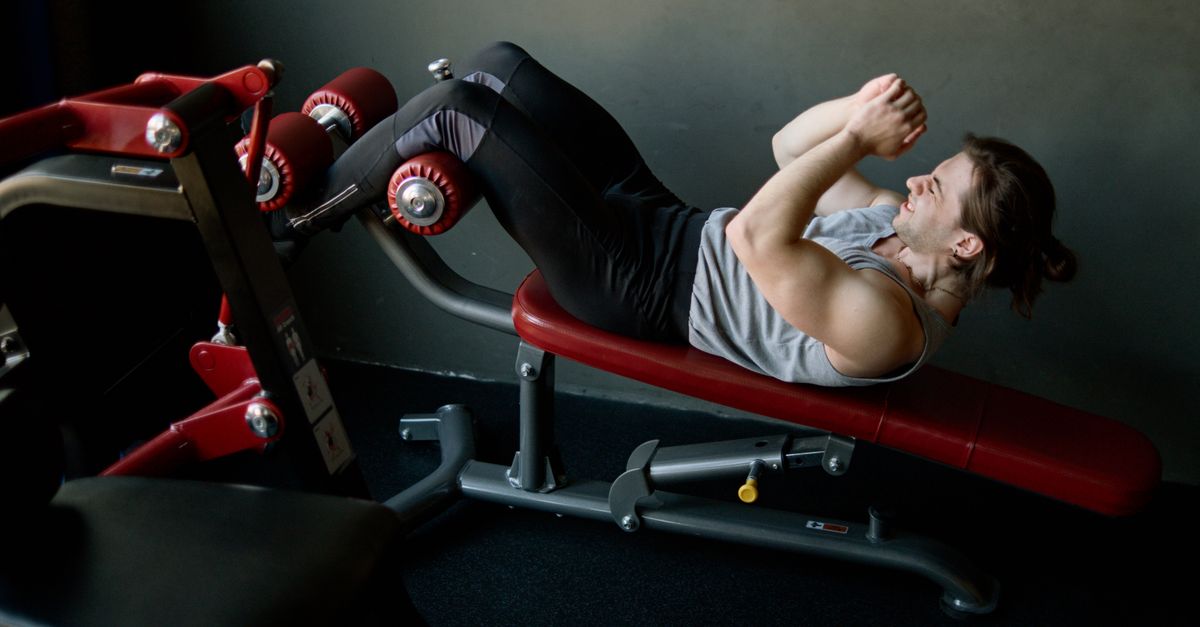
You’re laying flat on a worn gym mat, knocking out your fiftieth crunch, and wondering why your stomach muscles aren’t firing like they should. If you’re someone who wants a solid, capable midsection without wasting endless hours on boring floor workouts, you’re not alone. Doing crunches on flat ground quickly hits a dead end. That’s where the decline bench comes into play. In this guide, you’ll learn how to adjust this angled bench correctly, how to lock your body in place safely, and how to execute each rep so your abs do all the heavy lifting instead of your neck. By the end, you’ll know how to turn an intimidating piece of gym iron into your best core-building ally.
The Magic Behind the Slant
Picture a hill. Rolling a toy truck along flat carpet takes almost no effort, but pushing it up a steep ramp makes your hands work a whole lot harder. Gravity is funny like that.
When you lie down flat on the floor, your stomach muscles only work through a tiny slice of movement. The second your shoulder blades leave the mat, the hard work drops off. On an angled bench, your head sits lower than your hips. That means you fight gravity the entire trip up.
As a purely fictional example to show what this looks like, let’s invent a guy named Mark. Mark can knock out forty crunches on his living room rug while watching basketball, barely breaking a sweat. One day, he hops on a slanted bench at his local community center, tries five slow sit-ups, and suddenly feels like he has never worked his stomach once in his life. The slope makes all the difference because it stops your body from taking easy shortcuts.
Picking the Right Angle for Your Body
Most gym benches look like little slides with notches underneath. You might feel tempted to slide the pin into the steepest hole right away to look like a superhero. Don’t do it.
Starting too steep is the fastest way to turn a great exercise into a sloppy mess. When the angle drops too far, your body panics. Instead of using your abs, your hips and lower back jump in to save the day, pulling you upward like an old creaky crane.
Keep these pointers in mind when you adjust the bench:
- Start small: Set the board to a gentle slant, around fifteen to thirty degrees, until you master the motion.
- Check the pin: Make sure the metal latch clicks completely into place so the bench doesn’t slip mid-rep.
- Listen to your hips: If you feel a sharp pinch near the front pockets of your shorts, lower the slant down a notch.
Locking into the Pads Without Pain
The top of the bench features round foam pads. These rollers keep you from sliding down into a heap on the floor, so getting into them properly matters a lot.
Climb onto the bench feet first. Slide your shins over the top set of pads and tuck your insteps under the bottom set. You want your legs to feel snug, almost like slipping on a good pair of roller skates. If your feet slide around loosely, you will waste tons of energy just clinging to the bench for dear life.
Our team at the shop loves testing home setups, and we always tell friends to relax their feet once they’re locked in. Don’t curl your toes into tiny fists or squeeze the pads with all your might. Let your legs act as an anchor, but keep them quiet. Your torso should do the actual driving.
Nailing the Curl from Bottom to Top
Once you are locked into place, lie back smoothly. This is where most people get the motion mixed up. They keep their back as straight as an ironing board, which ends up yanking hard on their lower spine.
Instead, think of your spine like a roll of posters. You want to curl yourself upward, one piece at a time:
- Cross your arms over your chest or gently tap your fingertips against your temples. Never lace your fingers behind your head, or you’ll be tempted to pull your neck forward like a chicken.
- Tuck your chin slightly, as if holding a tennis ball beneath it.
- Draw your belly button inward toward your spine, squeeze your ribcage down toward your waistband, and peel your back off the board.
- Pause for a quick heartbeat near the top, right before your body sits completely upright.
Stop just shy of sitting straight up. If you sit all the way tall, your abs get to take an unwanted break, and we want them working the entire time.
Dodging the Common Cheating Habits
Cheating on a decline bench is super easy, and your body will try to do it without even asking you. The biggest culprit is plain old speed.
Imagine another imaginary scenario: Sarah is in a rush before work, so she throws her arms forward, bounces her spine off the bottom pad, and uses that momentum to pop herself up like a trampoline. She does twenty reps in thirty seconds, but her abs barely did any work. Worse, her lower back aches for the rest of the afternoon.
If you bounce off the bench, you are letting bouncy physics do the job instead of your muscles. Descend slowly. If you cannot stop yourself from rocking or flailing your arms, the slant is probably too steep. Swallow your pride, lower the bench, and make every single inch smooth.
Timing Your Breaths and Owning the Pace
Holding your breath turns your face bright red and robs your muscles of oxygen. It also spikes your blood pressure, which feels awful when your head is pointed down a slope.
Sync your breathing with your movement. Take a deep breath in through your nose as you lower yourself down toward the floor. As you curl your torso upward against gravity, blow the air out through your mouth like you’re blowing out birthday candles. Emptying your lungs on the way up actually makes it easier to squeeze your stomach muscles tight at the top.
Count in your head. Take two full seconds to rise, hold for one second, and take three full seconds to lower yourself back down. You’ll be shocked at how fast six slow reps will make your stomach burn.
Knowing When and How to Add Weight
Eventually, bodyweight reps will feel easy. When you can knock out three clean sets of twelve reps with textbook form, you are ready for a bigger challenge.
Don’t jump straight to heavy dumbbells. Start by shifting your hand position. Moving your hands from your chest to your temples makes the exercise harder because your arms act like extra weight further away from your center. If that feels easy, extend your arms straight over your chest toward the ceiling.
When you do pick up actual weight, hold a small five-pound plate tight against your chest like a shield. Never hold weight behind your head on this bench. Keep it close to your ribs, move like molasses, and let that steady resistance build real strength.
Moving your workout from a flat floor to a slant might look scary at first, but it completely changes the game for your core. Getting real results comes down to the basics: picking a modest slope, locking your shins securely against the pads, and curling your torso upward with control. When you leave momentum at the door, breathe out on the way up, and keep your hip flexors from taking over, every single rep builds honest, useful strength. You don’t need fancy tricks or dangerous acrobatics to forge a rock-solid midsection. Just respect the angle, listen to your body, and take each rep one smooth breath at a time. Now you’re ready to hit the bench with confidence.