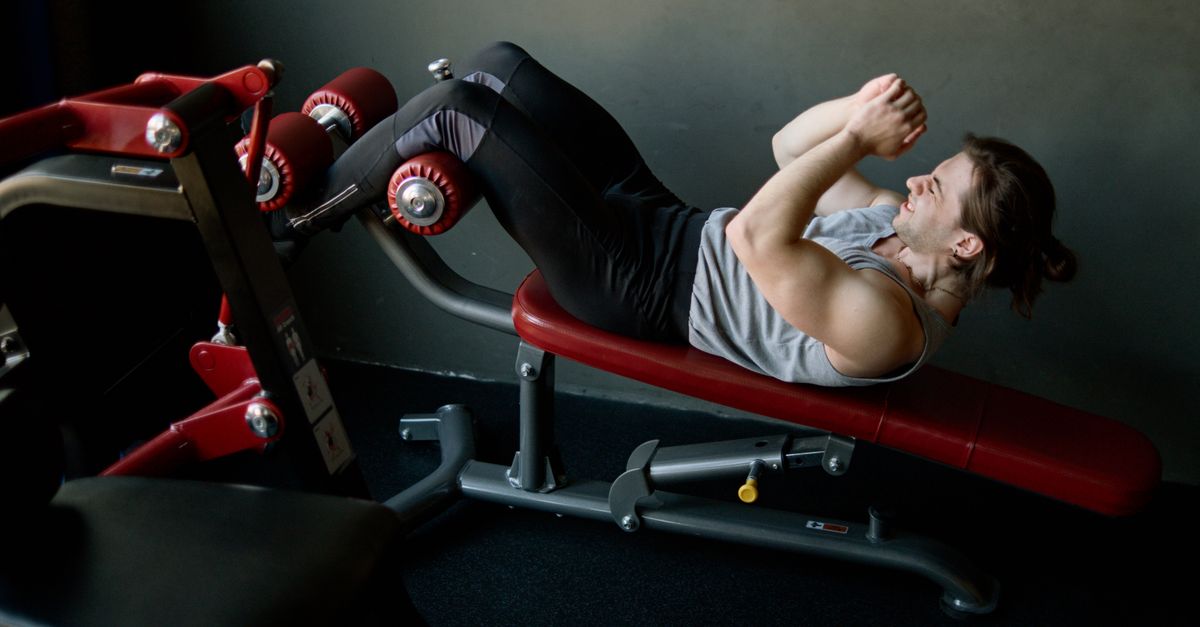
Picture this: you walk through the gym doors, look past the dumbbells, and spot a row of shiny ab machines. You want a rock-solid midsection and better posture, but your workout time is tight. You really don’t want to waste twenty minutes strapped into a seated crunch cage if it isn’t moving the needle. That brings up a fair question: do ab machines truly earn a place in your weekly gym routine? In this article, we’ll break down what these contraptions actually do, bust a huge fat-loss myth, and weigh the real perks against the downsides. By the end, you’ll know whether to strap in or skip them entirely.
The Promise Behind the Padded Seat
Walk into almost any fitness center, and you’ll spot them right away. Big padded benches with handles, foot rollers, and a stack of black metal plates with a little yellow pin. They look high-tech and promising. The basic idea is pretty simple: sit down, grab the handles, curl your body forward, and lift the weight using your stomach muscles.
Because the machine holds you in place, it takes out the guesswork. You don’t have to worry about rolling around on a sweaty floor or doing awkward neck-straining setups. You just adjust the seat, pick a weight, and start pumping out reps. For anyone who feels a little lost at the gym, that simplicity feels like a breath of fresh air.
The Big Belly Fat Myth
Before we go any further, let’s clear up the biggest mix-up in fitness. A lot of people hop on an ab machine thinking it will burn fat right off their waistline. Let’s create a quick fictional scenario to see how this plays out.
Imagine a guy named Leo. Leo hits the seated crunch machine five days a week, cranking out hundreds of reps until his abs burn like fire. He expects his belly fat to vanish by Friday. But after two months, his waist size hasn’t changed at all. Is the machine broken? Not at all. Leo just fell for the idea of spot reduction.
Spot reduction is the belief that working a specific muscle burns the fat sitting on top of it. Your body just doesn’t work that way. When your body burns fat for fuel, it pulls it from all over, like draining water from a swimming pool. Ab machines make your stomach muscles stronger and thicker, but they won’t specifically peel away belly fat. That part comes down to your overall diet, sleep, and moving your body throughout the day.
The Real Perks: Why Some Lifters Love Them
So, if they don’t melt fat, why bother using them? The short answer is progressive overload. That sounds fancy, but it just means making an exercise a tiny bit harder over time so your muscles grow.
Think about doing normal floor crunches. After a few weeks, doing twenty reps gets too easy. What do you do next? Fifty reps? A hundred? Doing hundreds of floor crunches takes forever and gets super boring. With an ab machine, you don’t have to add more reps. You just slide the little metal pin down one slot to make it heavier.
Here are a few genuine reasons people enjoy them:
- Easy tracking: You know exactly how many pounds you lifted last week versus today.
- Direct muscle focus: It isolates your six-pack muscle (the rectus abdominis) without testing your balance.
- Comfort: People with sensitive tailbones or wrist pain often prefer a padded chair over a hard gym mat.
The Hidden Catch: Where Machines Fall Short
Now for the flip side. While machines make it easy to load on weight, they lock you into a rigid path. Think of it like a train on railroad tracks. The train can only move forward and backward; it can’t steer around a curve on its own.
When you sit in a machine, the metal frame does all the steering. It balances the load for you. In real life, your midsection works like an active corset. It keeps you steady when you slip on wet grass, twist to catch a falling glass, or carry a heavy backpack on one shoulder. Your deep stabilizer muscles and side muscles (obliques) are supposed to work together to keep you upright. On a standard crunch machine, those helpful stabilizer muscles get to take a nap because the machine handles all the wobble.
Real-Life Strength Versus Gym-Machine Strength
Let’s picture another fictional example. Picture a girl named Maya who only trains her core on a seated crunch machine. She gets super strong at it and can stack on eighty pounds without breaking a sweat. One weekend, Maya helps her best friend move into a second-floor apartment. She bends down, picks up an uneven, bulky cardboard box full of books, and turns to walk up the stairs. Suddenly, her lower back aches and she feels completely off-balance.
Why did that happen? Because a box doesn’t move on smooth metal tracks. It shifts, wobbles, and pulls you sideways. Exercises like hanging knee raises, side planks, farmer carries, and cable chops force your body to fight off twisty forces. Machine crunches only teach you how to bend forward against a fixed resistance.
Finding the Right Balance for Your Goals
Does all of this mean you should treat ab machines like the plague? Absolutely not. They aren’t evil; they’re just tools in a big toolbox. If your primary goal is to build up the thickness of your front ab muscles so they pop out more, a crunch machine works great. It lets you safely fatigue the muscle with heavy weight.
At our training team at Haven Fitness, we see people get caught in the all-or-nothing trap all the time. Folks either spend thirty minutes doing nothing but machines, or they avoid them completely because someone on the internet told them they were useless. We like to help people find a middle ground that saves time. You can use free-movement core drills to build stability and posture, then jump on a machine for a couple of heavy sets to finish off the workout.
How to Decide If They Deserve a Spot in Your Plan
To figure out if an ab machine belongs in your routine, look at what you already do. Ask yourself these quick questions:
- Are you short on time? If you only have thirty minutes to work out, compound moves like squats, lunges, and push-ups will give you way more bang for your buck than sitting in a crunch chair.
- Do you struggle to feel your abs working on the floor? A machine can teach your brain what a hard ab squeeze feels like.
- Do your goals involve sports or everyday lifting? If you play soccer, skate, or do manual labor, free-standing core moves should be your main dish.
If you enjoy the machine and it motivates you, keep it in. Just place it at the very end of your workout so your core isn’t tired out before your bigger lifts.
At the end of the day, ab machines aren’t a magic ticket to a six-pack, but they aren’t junk either. They excel at progressive overload, making it simple to add resistance to a classic crunch without dealing with floor discomfort. On the other hand, they won’t spot-reduce belly fat, and their fixed tracks ignore the balancing muscles you rely on in daily life. If your goal is well-rounded, real-world strength, your best bet is to focus mostly on dynamic movements like planks, carries, and cable twists. You can treat the ab machine as an optional bonus at the end of your session, giving you the best mix of muscle-building power and functional stability.