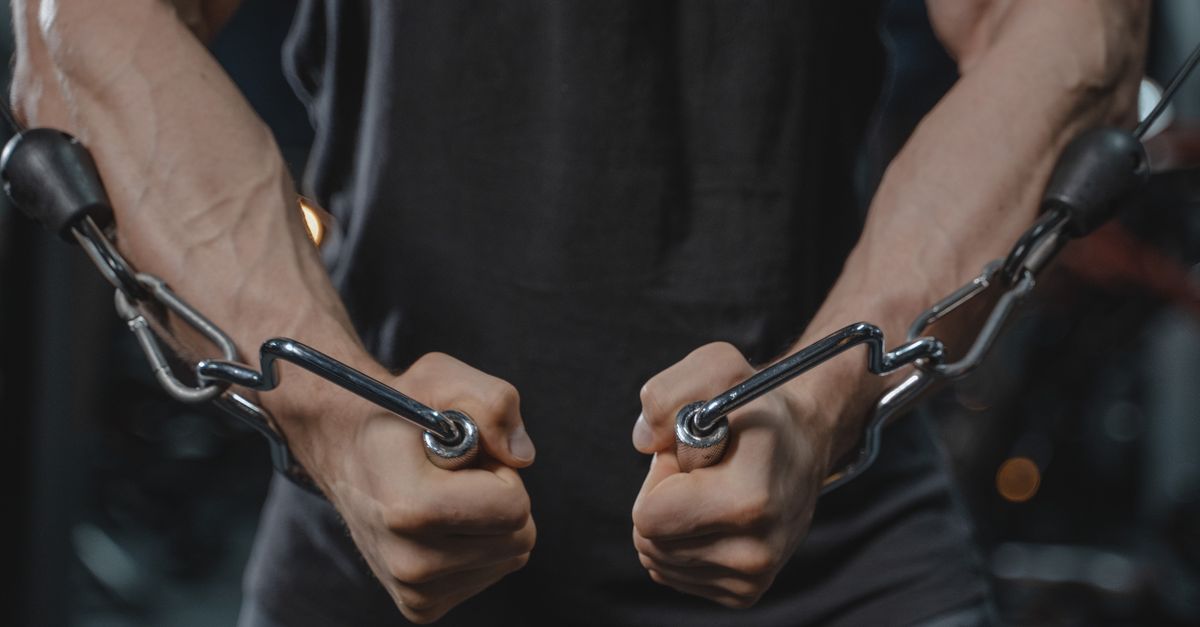
Picture this: you hit the gym wanting stronger glutes and a resilient back, but every time you try deadlifting, your lower spine feels achy the next morning. You are trying your best, but your hips haven’t learned how to bend properly without your back taking the brunt of the load. That is where cable pull-throughs come in to save the day. In this guide, you will learn why this simple cable exercise is the ultimate tool to master the hip hinge once and for all. We will walk through the setup, the exact movement, and the common slip-ups that steal your progress. By the end, you will know how to lift with zero back ache and pure hip power.
The Car Door Trick: Squatting vs. Hinging
To get this exercise right, you first need to understand what a hinge actually is. Lots of lifters mix up a squat and a hinge, but they do completely different jobs.
Imagine a fictional scenario where you are walking to your car with your arms full of heavy grocery bags. Your keys are in your pocket, your hands are completely full, and the car door is wide open behind you. How do you close that door? You do not drop your knees and slide down to the asphalt. If you did, you would drop the eggs! Instead, you push your rear end straight back to bump that door shut. That backward reach is a hip hinge.
A squat moves your body up and down, bending heavily at your knees. A hinge moves your hips forward and backward, keeping your shins mostly straight. When you mix the two up during lifts, your lower back ends up doing work meant for your hips.
Why The Cable Machine Makes It Easy
Free weights are fantastic, but gravity only pulls in one direction: straight down. When you hold a barbell or a dumbbell, the weight wants to pull your hands to the floor. If you do not know how to hinge yet, your spine tends to bend forward to chase the weight.
Cables work differently. Because the cable pulls horizontally from behind you, it literally tugs your hips backward into the right position. It is like having a gentle coach holding your waist and showing you where to go. That is why our coaching team loves using pull-throughs with new lifters. The cable takes away the guesswork and teaches your muscles what a true hinge feels like before you ever touch a heavy barbell.
Setting Up Without the Awkwardness
Let’s be honest: setting up for a pull-through can feel a little goofy the first time you try it. You are facing away from the machine with a rope between your legs. Once you get over the initial giggle, you will realize it is one of the safest movements in the gym.
Here is how to set it up cleanly:
- Slide the pulley all the way to the lowest peg on the machine.
- Clip a double-rope attachment onto the carabiner.
- Straddle the cable, facing completely away from the stack.
- Grab the rope ends through your legs with your thumbs pointing up.
- Take two or three confident steps forward so the weight stack lifts off its resting spot.
Stand with your feet slightly wider than shoulder-width apart. Flare your toes out just a little bit, like a duck. This stance gives your hips the space they need to travel back smoothly.
Nailing the Motion Step-by-Step
Now that you are locked into your stance, it is time to move. Think of your body as a bow and arrow. You are drawing the bow back, loading tension, and snapping forward.
Start tall with your shoulders pulled back and your ribs resting comfortably over your pelvis. Unlock your knees so they are soft, not glued stiff. From here, let the cable pull your hands and hips back behind you. You are not bending at your belly button; you are folding where your thighs meet your waist.
Keep your back flat like a tabletop. Reach back until you feel a big stretch across your hamstrings—the back part of your thighs. Pause for a beat. Now, push your feet hard into the floor and drive your hips forward to stand tall. Give your glutes a solid pinch at the top without leaning back.
Three Mistakes That Steal Your Progress
Even with cables guiding you, bad habits can sneak into your reps. Keep an eye out for these three common traps:
- Turning the lift into a squat. If your knees slide forward over your toes, your quads take over and your glutes take a nap. Keep those shins nearly vertical.
- The banana back finish. Lots of folks think more movement equals more work, so they lean way back at the top. This pinches your spine. Stop when your body forms a straight line from ears to heels.
- Pulling with your arms. Your arms are just ropes with hooks on the end. Do not curl the rope or lift it with your shoulders. Let your hips do every ounce of the work.
Making It Part of Your Routine
The beauty of the cable pull-through is that it fits anywhere in your training week. It causes very little joint soreness, making it easy to practice often.
You can use it as a warm-up drill before heavy deadlifts or kettlebell swings to wake up your hips. Do two sets of ten reps with a light weight just to get your brain talking to your muscles. Or, throw it in at the end of your workout for three sets of fifteen reps to finish off your glutes. Pick a weight where you can stop and hold the stretch at the bottom without losing your balance.
Cable pull-throughs might feel funny at first, but they teach your body a skill that protects your spine forever. By pushing your hips back instead of squatting down, you give your glutes and hamstrings the workload they crave while giving your lower back a much-needed break. We covered the simple car-door trick, how to set the cable height, step-by-step execution, and the big mistakes to avoid. Keep your chest proud, let the cable guide your hips back, and stand tall with a sharp squeeze at the top. Once you master this movement, every heavy lift you try afterward gets safer, smoother, and way more powerful. Now go grab that cable rope and get moving!