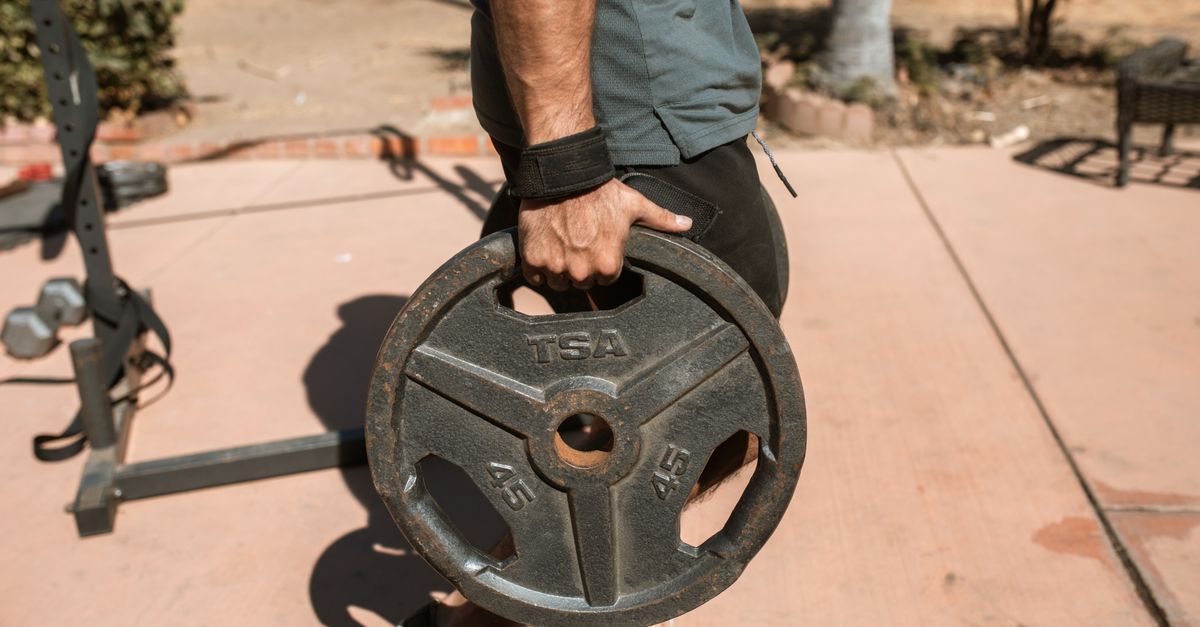
Ever grab all the heavy grocery bags from your car trunk because you refuse to take two trips, only to feel your hands slip, your shoulders slump, and your lower back pinch? You want real, practical strength that keeps you pain-free and ready for daily life, but fancy gym routines often leave you drained without real-world payoffs. That is where the farmer’s carry comes in. In this guide, we will break down what this dead-simple movement does for your body, which muscles it lights up, and how you can safely add it to your workouts this week. By the end, you will know exactly how to walk your way toward an ironclad grip, a rock-solid core, and injury-proof shoulders.
What Exactly Is a Farmer’s Carry?
Strip away the complicated gym jargon. A farmer’s carry is about as basic as human movement gets: you pick up a heavy object in each hand, stand tall, and go for a walk.
The name comes from real farm chores. Picture someone hauling two sloshing buckets of water across a muddy barnyard. If they slouch, they spill the water or throw out their back. If their grip fails, the buckets smash on their boots. So, they have to brace their midsection, pin their shoulders back, and take short, controlled steps.
It sounds almost too simple to work. We live in an age of high-tech cable machines and smart fitness apps, so just walking with dumbbells can feel old-fashioned. But do not let the simplicity fool you. It challenges your entire frame in a way isolated gym machines never can.
The Hidden Engine: What Muscles Are Working?
When you hold weights at your sides and walk, almost every muscle from your ears down to your toes fires up at once.
First comes your grip. Your fingers, wrists, and forearms work overtime just to keep the weights from slipping onto the floor. If you want hands that feel like vice grips, this is your ticket.
Then, feel your upper back and neck wake up. Your traps and shoulder blades act like suspension cables on a bridge. They fight gravity to stop your arms from being pulled out of their sockets, pulling your posture into a proud, upright shape.
Your midsection does the hardest job of all. While you walk, your core fights two battles:
- Resisting the bend: It stops you from tipping over or collapsing forward.
- Resisting the twist: Every time you lift a foot, the weights want to throw you off balance. Your deep abs lock down to keep you steady.
Finally, your hips and legs drive every stride. Your glutes, quads, and calves push you forward while keeping your knees safe and steady.
Real-Life Superpowers for Everyday Movement
Think about a fictional guy named Leo. He works an eight-hour office job, hunched over a laptop, and his lower back often throbs by Friday. Over the weekend, his buddy asks for help moving a heavy sleeper sofa up three flights of stairs. Without solid carry strength, Leo will likely bend at the waist, round his spine, and spend the next week resting on an ice pack.
Carries bridge that exact gap between gym lifts and messy, uneven everyday tasks.
Life rarely hands you a perfectly balanced barbell with knurled grips. Real life gives you squirming toddlers, unwieldy luggage at the airport, and heavy bags of potting soil. Training the carry teaches your brain and body to lock your spine in place while your limbs move.
It acts like a posture reset button. Spend thirty seconds carrying decent weight, and you will find it nearly impossible to slouch. Your body naturally lines up your joints to survive the load.
Mastering the Walk: Step-by-Step Form
Bad form turns a fantastic builder into a fast track to aching joints. Doing this right is simple if you follow a few basic rules.
1. The Pick-Up: Stand between your weights, whether they are dumbbells or kettlebells. Hinge your hips back, bend your knees, and grab the handles tight. Flatten your back and stand up as if you are doing a deadlift. Never round your spine to yank them off the floor.
2. The Set: Before you take a single step, pull your shoulders back and down away from your ears. Imagine trying to crush an orange in each armpit. Squeeze your belly like you are preparing for a light punch to the stomach.
3. The Walk: Look straight ahead at the horizon, not down at your feet. Take smooth, short, heel-to-toe steps. If you take giant lunging strides, the weights will swing and pull you off balance. Keep the weights still and glued near your sides without resting them against your thighs.
4. The Put-Down: When your distance or time is up, stop cleanly. Hinge at your hips, bend your knees, and place the weights down with the same care you used to pick them up.
Classic Mistakes That Steal Your Progress
Because the movement feels natural, people get sloppy. Keep an eye out for these sneaky habits.
The first slip-up is the penguin waddle. This happens when the weights are too heavy, causing you to tilt from side to side with every step. If your shoulders are swaying like a pendulum, drop the weight. You want your upper body to glide forward as smoothly as a train on tracks.
The second trap is shrugging up toward your ears. When your hands get tired, your body tries to cheat by hiking your shoulders up. That only leads to a stiff neck and headaches. Keep those shoulders packed down.
Lastly, watch out for the forward lean. As you fatigue, your chest wants to sink inward and your hips drift backward. Fight it. Keep your ribs tucked over your pelvis and your eyes straight ahead.
A Realistic Starting Plan for Beginners
You do not need fancy gear to get rolling. At our training company, we often see folks try to turn simple tools into complex rocket science. You can keep this refreshingly straightforward.
Pick a pair of dumbbells that feel moderately challenging. A good sweet spot to start is picking weights that add up to about 25 to 40 percent of your total body weight combined. If you weigh 150 pounds, a pair of 20 or 25-pound dumbbells is a great testing ground.
Try this quick workout finisher at the end of your normal routine:
- Pick up the weights cleanly.
- Walk for 30 to 45 paces (or about 30 seconds).
- Rest for 60 to 90 seconds while catching your breath.
- Repeat this for 3 to 4 total rounds.
Do this twice a week. Once you can finish all rounds without your grip slipping or your posture breaking, nudge the weight up slightly or walk for an extra ten paces. Small, steady bumps lead to huge gains over time.
Farmer’s carries might look bare-bones, but few movements pack this much punch for your long-term health. By simply lifting two balanced weights and walking tall, you build ferocious grip strength, an ironclad core, and a resilient back that protects you both in the gym and during weekend chores. Treat every step with respect: pack your shoulders down, lock your midsection tight, and keep your strides calm and steady. Resist the urge to grab the heaviest weights in the gym right away. Start with light loads, focus on crisp posture, and gradually push your limits. Pick up some weights, stand proud, and take that first walk toward real, functional strength.