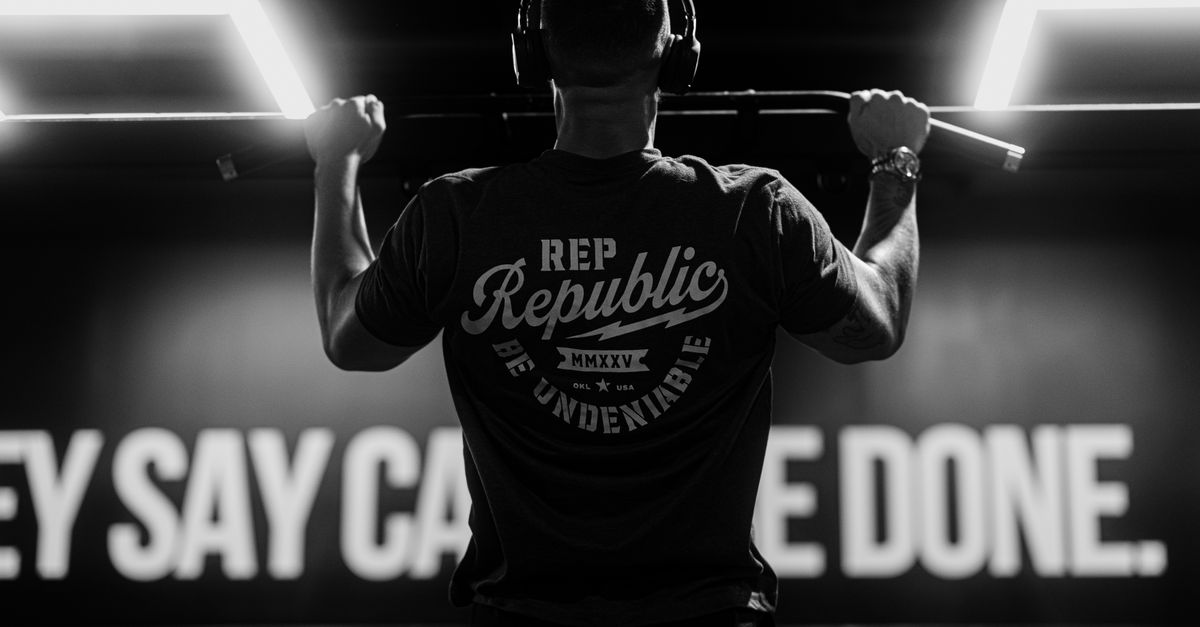
You walk up to the pull-up bar, grab the metal, take a breath, and jump. But instead of flying up, you hang there like a wet towel. It is frustrating. You have been putting in work at the gym, using the assisted machine or looping stretchy bands under your knees, yet that very first unassisted rep still feels lightyears away. You are not alone in this ditch. Moving your entire body against gravity is tough, but it is definitely not impossible. In this guide, we will break down the exact bridge between assisted work and that glorious zero-help rep. You will discover why bands might be tricking you, how to wake up hidden back muscles, and how to finally pull your chin over the bar.
Why the Bar Feels Like an Impossible Wall
Lifting a dumbbell is pretty straightforward. If twenty pounds is too heavy, you just put it down and pick up fifteen. Easy, right? But the pull-up bar does not care how your day went. It demands that you lift your entire body, every single pound, all at once. There is no middle slider on your body weight.
Think about a fictional guy named Leo. Leo sits at a desk eight hours a day typing emails. When Leo tries a pull-up, his brain tells his arms to do all the heavy lifting. His biceps scream, his neck scrunches up like a turtle hiding in its shell, and he barely moves an inch. That is because pull-ups are not just an arm exercise. They require your back, core, shoulders, and grip to fire at the exact same second. When one of those links is asleep, the whole system shuts down.
The Trap of the Bouncy Band
Most folks turn straight to giant rubber bands to fix the problem. You loop a thick band over the bar, stick your foot in, and suddenly you are flying up and down. It feels amazing, but there is a hidden catch.
Bands act like a slingshot. When you are hanging at the very bottom with your arms straight, the band is stretched to its max. That means it gives you the most help right when you start pulling. But as you get closer to the top, the band goes slack, leaving you to do the hardest part completely alone. While bands are fantastic for learning the groove, leaning on them forever will leave the bottom half of your pull-up weak. If you only train with a slingshot, you never teach your body how to jump from a dead stop.
Waking Up the Sleeping Giant: Your Back
To ditch the assistance, you have to find your lats. These are the big, wing-shaped muscles running down the sides of your back. If you only pull with your arms, you are trying to move a heavy couch with just two fingers.
Here is a neat trick to feel them working: hang from the bar with straight arms, then pull your shoulder blades down toward your back pockets without bending your elbows. Your body will rise an inch or two. That tiny move is called a scapular pull-up. It sets the foundation. It flips the light switch on your back muscles so they actually show up to the party. Mastering this baby step tells your body that your back, not your elbows, is in the driver’s seat.
Going in Reverse: The Magic of Negatives
What if you could build crazy strength by doing a pull-up backwards? That is where negatives, or eccentric training, come into play. Your muscles can hold way more weight while lowering down than they can while pulling up. You can use that to your advantage.
Grab a box, step up so your chin is already resting above the bar, and jump into the top position. Now, fight gravity on the way down. Count slowly: five, four, three, two, one, all the way to a dead hang. It will burn, but that slow drop tricks your nervous system into getting comfortable with your full body weight. Doing a few slow, controlled descents builds raw strength faster than cranking out a dozen sloppy, band-assisted reps ever could.
Iron Hands: Why Your Grip Makes or Breaks You
Have you ever tried opening a tight pickle jar when your hands are slick with lotion? You can not use your shoulder strength because your hands simply slip off. The exact same thing happens on a pull-up bar.
If your hands feel weak, your brain instantly pumps the brakes to keep you from falling. It will not let your back fire at full blast if it thinks your fingers are about to peel off the metal. This is something our team works on constantly with new lifters because people love to skip the basics. Spending time just hanging from a bar—what folks call a dead hang—teaches your forearms and fingers to hold your full mass. Aim for thirty unbroken seconds of calm hanging. Once your grip feels like iron hooks, the bar stops feeling scary.
The Blueprint for Your Very First Rep
Now, how do you string all this together without frying yourself? You do not need to live at the gym. You just need a simple, consistent game plan two or three times a week.
- Warm up: Spend two sets doing five to eight smooth scapular pulls. Get those shoulder blades moving cleanly.
- Build raw power: Knock out three to four slow negative drops, taking a solid four to five seconds to reach the bottom on each rep. Rest plenty between them.
- Finish strong: Wrap up with two rounds of timed dead hangs to keep building that grip confidence.
Give your body forty-eight hours of rest between sessions. Muscle does not grow while you are hanging on the bar; it grows while you sleep and eat dinner.
Making the jump from assisted bands to pulling your own weight without help is all about ditching shortcuts and teaching your body to work as one solid unit. By shifting your focus away from the bouncy bands and toward scapular control, slow lowering reps, and real grip strength, you give your muscles the exact tools they need to conquer gravity. Be patient with the process and stick to the simple steps without rushing. That cold metal bar might feel stubborn right now, but every slow descent gets you closer. Keep showing up, stay consistent, and before you know it, you will grab the bar, pull with confidence, and hit that first clean unassisted rep.