Walking into a gym can feel like stepping onto an alien spaceship. Everywhere you look, there are shiny levers, tangled cables, and racks of heavy iron. If you’re someone trying to get healthier without wasting your precious free time, staring at all this gear is downright intimidating. You find yourself wondering: do I sit down at that fancy chest press, or do I grab a pair of dumbbells? You don’t want to look silly, and you definitely don’t want to tweak your back. In this guide, we’ll break down the differences between gym machines and free weights in plain English. By the end, you’ll walk onto that gym floor knowing exactly which tools to grab to hit your fitness goals faster.
What We Actually Mean by Weights and Machines
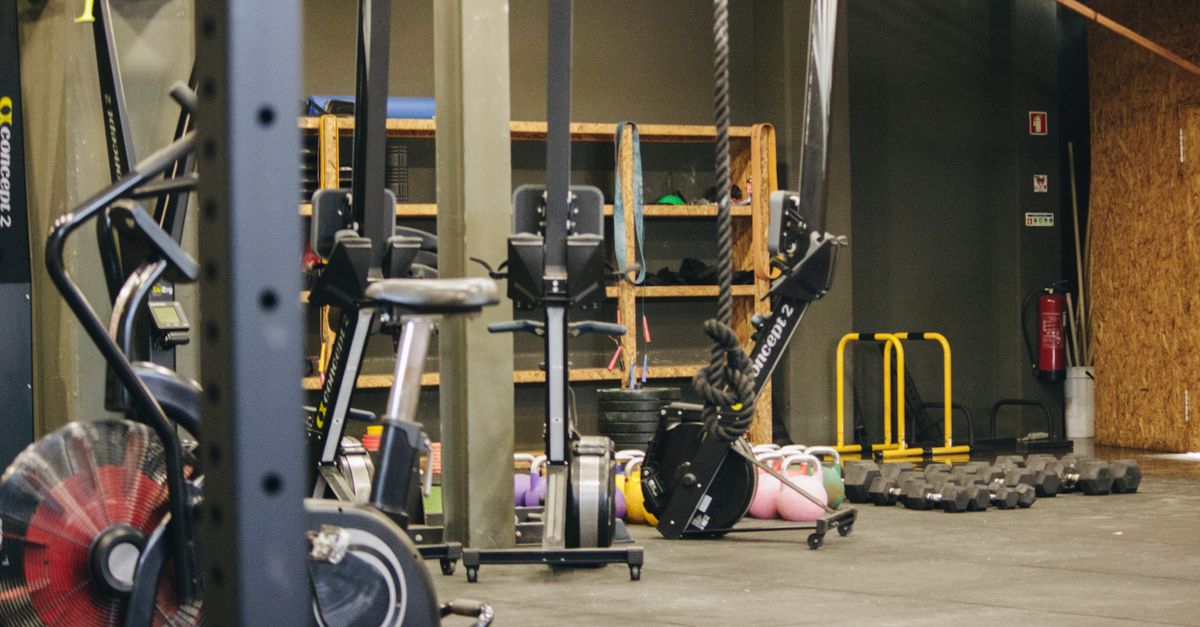
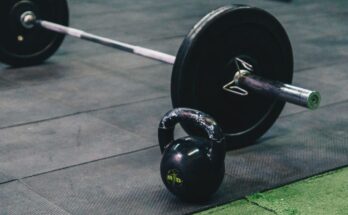
Before jumping in, let’s make sure we’re speaking the same language. Free weights are simply anything you can pick up that isn’t bolted to a wall or connected to a wire. Think about dumbbells, barbells, kettlebells, and even those heavy sandbags people toss around. You control the weight, the direction, and the speed.
Gym machines are totally different beasts. They’re big contraptions with seats, pulleys, stacks of weighted plates, or levers. When you use a leg extension machine, the metal frame locks you into a fixed track. You can only kick your legs forward and backward. There is no wobbling side to side, and the machine pretty much dictates your movement from start to finish.
Why Free Weights Teach Real-Life Balance
Imagine a fictional guy named Leo. Let’s picture Leo trying to carry five overflowing bags of groceries up three flights of stairs. Those bags shift, swing around, and try to throw him off balance. That’s exactly how free weights behave. When Leo lifts a barbell, his body can’t just rely on the main lifting muscles. All the tiny, hidden stabilizer muscles around his shoulders, hips, and core have to kick into high gear to keep him from tipping over.
Because free weights mimic natural everyday movements, they build practical strength. You learn to brace your stomach, keep your feet planted, and control an awkward load through mid-air. When you train with free weights, you get perks like:
- Stronger joints and tendons because your stabilizer muscles work overtime.
- Better body awareness, helping you stay balanced on uneven ground or during sports.
- The freedom to move in ways that naturally fit your unique limb lengths.
The Dark Side of Loose Iron
That freedom comes with a catch, though. Free weights don’t hold your hand. If your attention drifts for a split second, things can go sideways fast. If you’re tired, your back might round during a heavy squat, or your wrists might buckle under a pair of heavy dumbbells.
Gravity is completely unforgiving here. If you bite off more weight than you can chew on a bench press, that bar is coming straight down toward your chest. There’s no magical red button to stop it. Learning good form takes time, patience, and a bit of trial and error. For someone just starting out, this steep learning curve can feel frustrating or downright scary.
Gym Machines and the Power of Built-In Safety
Now back to our fictional buddy Leo. Pretend he sits down at a seated chest press machine instead. He adjusts the pin to a light weight, puts his hands on the handles, and pushes. There’s zero chance the handles will drop on his ribs. If his arms get too tired to finish a repetition, he just lets go, and the weight stack clangs safely back onto its rack.
That built-in safety net is why so many beginners love machines. They take the guesswork out of the path of motion. You sit down, check the little diagram sticker on the side, and push or pull. They’re also fantastic when you want to isolate one specific muscle group. If your quad muscles need extra attention, a leg extension lets you torch your thighs without stressing your lower back or hips.
Where Machines Can Box You In
Even though machines feel safe and comfy, they aren’t flawless. Their biggest strength is also their biggest weakness: they lock you into a rigid path. Human bodies don’t move in perfectly straight lines or robotic circles. We are built with weird curves, varying arm lengths, and different hip widths.
If a machine doesn’t fit your frame quite right, it might force your joints to move awkwardly. Do that for a few months, and your elbows or knees might start aching. Plus, since the machine handles all the balancing, your stabilizer muscles get to take a nap. You might build big, strong legs on a leg press machine, but that strength won’t translate directly into jumping higher or picking up heavy furniture off the floor.
A Smart Blueprint for Blending Both
So, which one takes the crown? The truth is, you don’t have to pick a side like you’re picking a favorite football team. Our fitness coaching team always reminds folks that the smartest workout plans blend both tools together based on what your body needs that day.
A great rule of thumb is to start your workout with free weights while your brain and muscles are totally fresh. Knock out your squats, lunges, or overhead presses when you have the energy to hold crisp, clean form. Once your body starts getting tired, ditch the loose metal and slide over to the machines. You can safely squeeze out those last few repetitions to fatigue your muscles without risking dropping anything on your toes.
Picking between free weights and gym machines doesn’t have to be a battle where one side wins and the other gets tossed out. Free weights teach your body to work as one solid unit, boosting your balance and building practical, everyday strength. Meanwhile, machines provide a steady safety net, letting you blast specific muscles with total control and minimal worry about dropping a bar on your toes. The sweet spot isn’t choosing an absolute winner—it’s using both tools where they shine brightest. Start with the free weights while your mind and muscles are fresh, then hop on the machines to safely finish off your workout. Step into the gym, try them out, and build the routine that feels right for you.