You have been hitting the gym four days a week, trading fries for salads, and sweating buckets. Then you step on the bathroom scale, look down, and your heart sinks. The number didn’t budge at all. In fact, it went up two pounds. You feel like chucking your sneakers in the trash, wondering why you even try. We completely get it, because we have all stood on that cold glass square feeling totally crushed. That little digital box only measures your relationship with gravity, not your true body changes. In this guide, you will learn smarter ways to gauge your results without driving yourself crazy. By the end, you will feel confident, motivated, and free from scale anxiety for good.
Why the Scale Tells Half-Truths
To understand why the scale lets you down, think of a pound of feathers versus a pound of bricks. They weigh the same, right? But the pile of feathers takes up the size of a giant beanbag, while the brick fits inside your palm.
Muscle and body fat work the exact same way. Muscle is tight and compact like that brick, while fat takes up way more space. When you lift weights, your body starts building dense muscle while shrinking down fat stores. You are getting smaller and firmer, but the number on the scale stays stuck in place.
Let’s look at a totally fictional example with a guy named Leo. Suppose Leo begins lifting weights three times a week. After six weeks, Leo loses four pounds of fluffy fat, but he also builds four pounds of tight new muscle. He steps on the scale, and the dial doesn’t move an inch. He thinks he failed. Did he? Not a chance. His waist shrunk, his chest filled out, and his heart got stronger. The scale just didn’t have the brains to tell him that.
Water messes things up too. If you eat a salty taco, get a bad night of sleep, or push through a hard leg workout, your body holds onto water like a thirsty sponge. That can make your weight jump three or four pounds by morning. That is just trapped water, not body fat.
The Tape Measure Tells the Real Shape Story
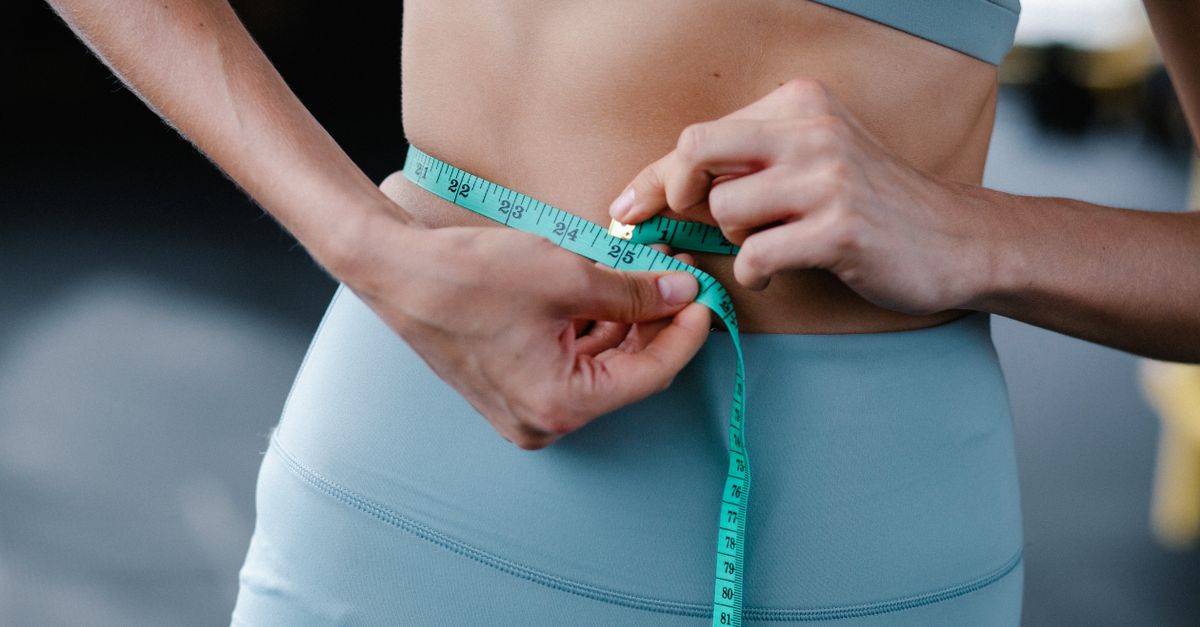
Since the bathroom scale gets confused by muscle and water, you need a tool that looks at size instead of weight. That is where a soft tailor’s tape measure comes in.
A tape measure shows you the actual room your body takes up. It doesn’t care about water bloat or bone density. It just tells you how wide or narrow you are getting. Here are the easiest spots to check once every few weeks:
- Your waist: Wrap the tape around your belly button, keeping it snug without pinching your skin.
- Your hips: Measure around the widest part of your glutes.
- Your arms and thighs: Check the thickest part of your bicep and your upper leg.
When you jot these numbers down, magic starts to happen. You might see your weight stay flat for a whole month, yet your belly measurement dropped an entire inch. That single inch lost is cold, hard proof that you shed fat, even if your bathroom scale decided to be stubborn that morning.
The Honest Fit of Your Favorite Clothes
Tape measures are great, but you don’t even need a tool to spot real change. Your closet already holds the ultimate truth-teller: an old pair of jeans.
Clothing doesn’t stretch or shrink based on what the scale says. Denim is brutally honest. Have you ever put on a pair of pants you haven’t worn in months, only to notice you don’t have to suck your tummy in to button them? Or maybe you notice you have to tug your belt one notch tighter just to keep your shorts up. That is massive progress.
Take another fictional scenario with someone named Sarah. Let’s pretend Sarah goes to the gym regularly, but her weight stays stuck at 150 pounds. She feels down until she slips on her favorite work blazer. Suddenly, the fabric across her shoulders sits just right, and the arms don’t pinch when she reaches forward. The scale said she stayed the same, but her clothes proved her posture improved and her frame reshaped itself.
Trust the feel of your waistband over a flashing LED number every single day.
Watching Your Workout Numbers Climb
Your body shape is only one side of the coin. What your body can actually do matters just as much, if not more.
Think back to your first day in the gym. Maybe carrying a twenty-pound dumbbell felt like hauling a bag of cement, and five knee push-ups had your chest shaking like a leaf. But fast forward eight weeks. Now, you press those same weights overhead without blinking, and you can knock out ten full push-ups from your toes.
That is what fitness folks call performance progress. It means your nervous system is firing better, your bones are getting denser, and your muscle fibers are growing tougher. You can track this in a few simple ways:
- Weight lifted: Adding five pounds to the bar or grabbing a heavier kettlebell.
- Reps completed: Getting eight squats instead of five with the same weight.
- Rest time: Needing only sixty seconds to catch your breath instead of three full minutes.
At our fitness team, we love helping folks track these quiet wins because strength gains never lie. When you make your workouts about getting stronger instead of just getting smaller, working out turns into a fun game rather than a chore.
Photos Tell What the Mirror Hides
As you get stronger and your clothes fit looser, your eyes might play tricks on you. Because you look in the bathroom mirror every morning while brushing your teeth, you don’t notice tiny daily changes.
It is just like watching grass grow. If you stare at your lawn, it looks totally still. But if you leave town for two weeks and come back, the grass is up to your knees. Your body works the same way. This is why side-by-side photos are worth their weight in gold.
To do this right, keep things simple. Pick one spot in your house with clear, natural light. Wear the same fitted clothes, like gym shorts or a sports bra. Take one picture facing the camera, one from the side, and one from behind. Stand normal—no weird flexing or sucking in your gut.
Snap these once a month, tuck them into a private album, and don’t obsess over them every day. When you open that album ninety days later and slide month one next to month three, you will see changes in your back, legs, and posture that no scale could ever show you.
The Energy Engine: How Daily Life Feels
All these photos, tape measurements, and lifted weights lead to the best reward of all: how you feel when you are just living your life.
Gym progress shouldn’t stay locked inside the gym. It spills out into your ordinary day. Do you run up the stairs at the office without gasping for air at the top? Can you carry all your grocery bags inside in a single trip without your forearms burning out? Do you fall asleep faster and wake up ready to tackle the day instead of hitting the snooze button six times?
These are massive quality-of-life wins. When your body works better, everyday stress drops. You have more patience, your mood stays steady, and you have enough gas left in the tank to play tag with your kids or throw a ball for your dog at the park. A scale can’t measure your smile or your energy, but those are the real reasons we show up to sweat in the first place.
Tracking your fitness journey without obsessing over the bathroom scale comes down to seeing the big picture. Your weight changes based on water, dinner choices, and muscle gain, making that simple number a poor judge of your hard work. By using a soft tape measure, paying attention to how your jeans fit, logging your strength in the gym, taking monthly photos, and noticing your daily energy, you get the real story. Fitness is about building a body that works well, feels awesome, and lets you live life to the fullest. Be patient with yourself, celebrate every small win, and remember that real progress is happening even when the scale stays totally still.