Picture this: you step onto the gym floor, lace up your sneakers, and freeze. You want to build muscle, feel energetic, and get stronger, but the sea of iron and cables feels like a giant puzzle. Should you hit your back and biceps today? Where do shoulders go? Mixing up random exercises without a plan leaves you tired, sore in weird places, and stuck with zero visible progress. That is where the Push-Pull-Legs (PPL) split comes to save the day. In this guide, you will learn how your body naturally moves, where every single exercise fits, and how to sort your sessions. By the end, you will walk in with complete clarity and walk out knowing you crushed it.
The Magic of Grouping by Movement
Most folks try to train their bodies muscle by muscle. One day they try to hit biceps, the next day chest, and then maybe shoulders. It gets messy fast.
Think about pushing a heavy revolving door at the mall. You don’t just use your chest. Your arms and the front of your shoulders jump in to help without you even asking them to. That is because our bodies work in chains. When one muscle works, its neighbors join the party.
The push-pull-legs split organizes your training around actions, not isolated body parts. You group all the muscles that push away from you on one day. You train the ones that pull things toward you on another. Then, you give your entire upper body a break and let your legs take center stage. It is clean, simple, and saves you from accidentally wearing out the same muscle three days in a row.
Push Day: Everything Moving Away
Push day is all about shoving weight away from your torso. The primary movers here are your chest, the fronts of your shoulders, and your triceps, which sit on the back of your arms.
Let’s look at a fictional lifter named Maya. If Maya lies on a flat bench and presses a barbell upward, her chest handles the brunt of the work. But as her elbows straighten, her triceps lock out the weight. If she switches to an overhead press, her shoulders take the steering wheel while her triceps assist again. Because these muscles naturally team up, it makes total sense to hit them together.
Here are the staples that belong on your push day:
- Flat and Incline Bench Press: With dumbbells or barbells, targeting the chest.
- Overhead Shoulder Press: Great for building sturdy, rounded shoulders.
- Dips and Push-Ups: Terrific bodyweight builders for chest and arms.
- Tricep Rope Pushdowns: Isolating the back of the arms once the big presses are done.
- Lateral Raises: Lifting dumbbells out to the sides to widen your shoulders.
Pull Day: Dragging the World In
Now, flip the script. Instead of shoving the world away, you are grabbing it and dragging it right to your chest. That is pull day.
Your back is a massive group of muscles. You have the lats, which give you that wide wing shape, and your upper back, which keeps your posture tall and strong. Tucked on the front of your upper arms are your biceps. Whenever you bend your elbow to yank something, your biceps fire up. Grouping your back and biceps together is like peanut butter and jelly—they just work.
Here is what belongs squarely in your pull session:
- Pull-Ups and Lat Pulldowns: Moving weight from overhead down to your collarbone.
- Barbell and Cable Rows: Pulling straight back toward your belly to thicken your upper back.
- Face Pulls: Fantastic for rear shoulders and undoing hours of slouching over a desk.
- Bicep Curls: Whether with dumbbells, EZ-bars, or cables, finishing off your arm pump.
When you wrap up this day, your pulling muscles get to rest for days while your pushing muscles prepare for their next turn.
Leg Day: Building the Engine Downstairs
Skipping leg day is an old gym joke, but your lower body holds more than half your muscle mass. Leaving it out is like putting a tiny lawnmower engine inside a shiny sports car.
Leg day breaks down into two main jobs: knee-bending moves and hip-hinging moves. The front of your thighs (quadriceps) push you up out of a chair. The back of your thighs (hamstrings) and your glutes help you sprint, jump, and stand tall. Don’t forget your calves, which keep you balanced on your feet all day long.
The core movements for your leg session include:
- Barbell Back Squats or Goblet Squats: The king of lower-body quad builders.
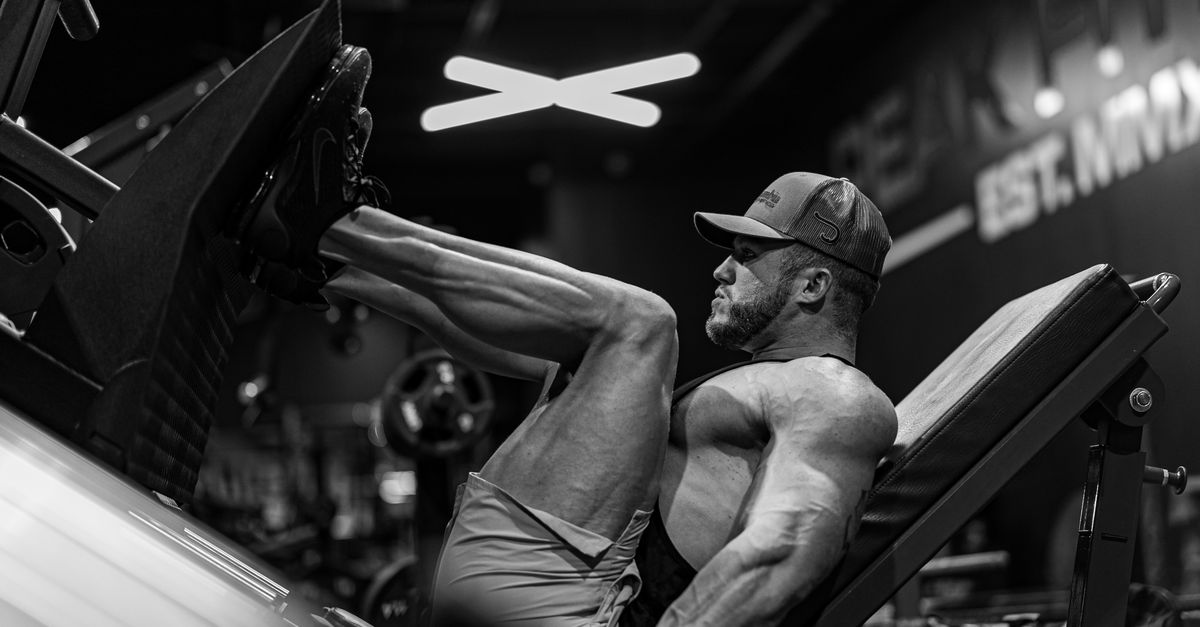
- Leg Presses: Pushing heavy sleds to cook your quads safely.
- Romanian Deadlifts: Sliding weights down your shins to stretch your hamstrings.
- Walking Lunges: Testing balance while lighting up your glutes.
- Calf Raises: Standing or seated, giving your lower legs some love.
A solid leg workout takes serious energy, but it gives your upper body complete rest.
The Big Deadlift Dilemma
If there is one exercise that sparks heated debates in locker rooms, it is the classic conventional deadlift from the floor. Is it a back exercise, or is it a leg exercise?
The honest answer is: it is both. You push the floor away with your quads and glutes, but your back works like steel cables to keep your spine from snapping like a twig. So where does it go? In our training community, we see people stress over this all the time, but the answer comes down to what you want out of it.
If you pull from the floor with heavy weights, it usually fits best at the start of your Pull day or your Leg day. If you put it on pull day, let it be the main heavy hinge, and keep your leg day focused on squats. If you put it on leg day, make it your main hamstring movement. Just pick one lane and stick to it so your lower back stays fresh.
Where Do Abs and Extra Bits Go?
What about your core? What about forearms and traps? It is easy to feel like these smaller pieces got left out in the cold.
Your abs work constantly during heavy squats and standing presses to keep you upright. They don’t need a whole dedicated day. Tacking on ten minutes of hanging leg raises or planks at the end of your leg session or push session works like a charm. As for traps—those muscles between your neck and shoulder blades—they naturally fire during heavy rows and deadlifts, so letting them live on pull day makes total sense.
Keep smaller muscles at the very end of your workout. Never tire your core or grip out before you try to squat or row heavy weight. Safety always comes first.
Putting It All on the Calendar
A brilliant plan on paper is useless if it doesn’t fit your actual life. The beauty of push-pull-legs is that it bends to your schedule.
If you can hit the gym three days a week, run Push on Monday, Pull on Wednesday, and Legs on Friday. You get four full days to rest, play sports, or hang out with friends. If you want more frequency, you can run Push, Pull, Legs, take a rest day, and repeat. That lets you hit every muscle twice every eight days.
Listen to your body. If your shoulders feel battered on push day, take an extra rest day. Growth doesn’t happen while you lift; it happens when you sleep and eat afterward.
Getting your workout split right doesn’t take a rocket science degree. It just takes a little anatomy common sense. When you separate your routine into pushing away, pulling close, and driving through the floor, everything clicks. You give working muscles the focus they deserve while giving resting muscles the downtime they crave. No more wandering across the gym wondering what to do after a bench press. Keep it simple, pick your favorite core lifts, and let your body recover between rounds. Whether you build this routine on your own or grab one of our ready-to-go training templates to save time, consistency is your golden ticket. Pick up those weights, stick to your plan, and enjoy the progress you’ve earned.