Walking into a weight room can feel like stepping onto another planet. You see people clanging heavy metal plates, and you might feel silly grabbing a bare steel pole. If you’re new to lifting, you probably worry about hurting your back or looking like you don’t belong. We totally get it. That’s why strip-down lifting is a game changer. In this guide, you’ll discover why training with an empty bar is the smartest shortcut to getting strong. You’ll learn how to master key moves like squats and presses without breaking your body. By the end, you’ll walk up to that rack with zero fear, knowing exactly how to turn a simple piece of metal into your best workout partner.
The Heavy Truth About an “Empty” Barbell
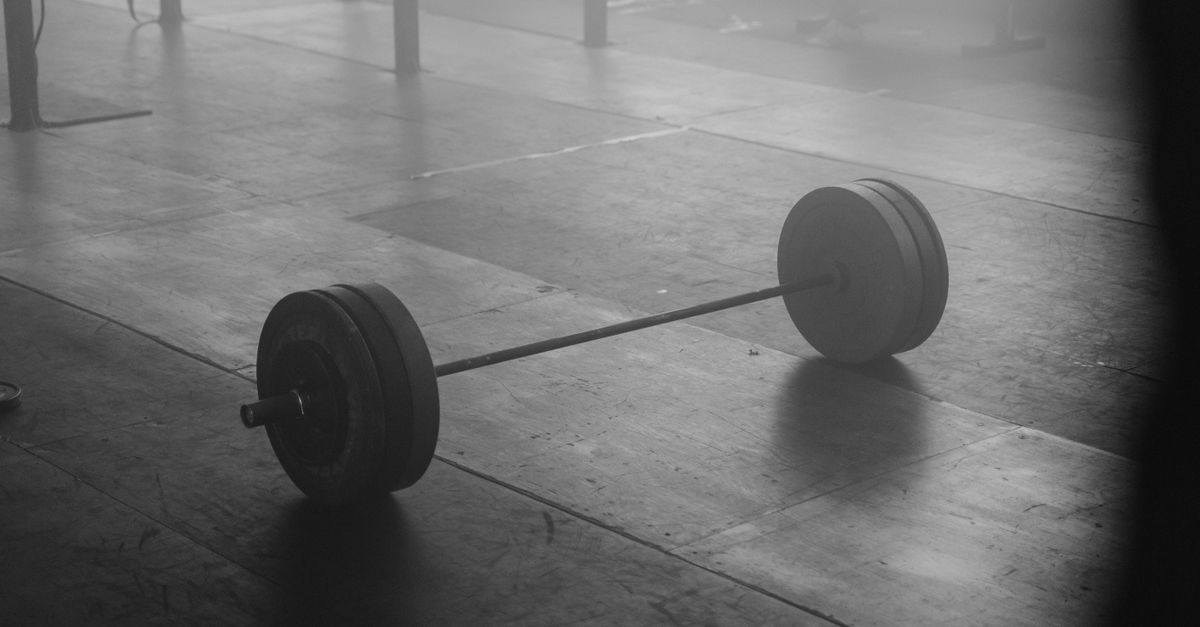
Here is a secret most people forget: a standard barbell isn’t light. A standard gym bar weighs forty-five pounds. That’s about the same as a giant bag of dog food, a car tire, or a five-gallon bucket of water.
Holding that much metal feels awkward at first. It’s seven feet long, so it wobbles if your hands aren’t centered. A lot of folks let their ego take the wheel on day one. They see a bare bar, think it looks wimpy, and slap ten-pound plates on the ends before they even know how to stand straight. Don’t fall into that trap. Treating that cold piece of steel like real weight changes everything. It commands respect all by itself.
Learning to Drive in an Empty Parking Lot
Think about the first time someone tried to teach you how to drive a car. Let’s make up a quick story to show how this works. Picture a teenager named Maya. If Maya’s dad shoved her onto a six-lane highway during rush hour for her very first lesson, she’d probably panic and smash the brakes. Instead, they went to a big, empty school parking lot on a Sunday. No traffic. No stakes. Just time to figure out the steering wheel.
Lifting with a bare bar is your empty parking lot. Your brain needs time to map out what your hips, knees, and ankles are doing. If you load up the bar with heavy iron, your nervous system flips into panic mode. All you care about is surviving the rep. But when there’s no crushing weight on your shoulders, you can breathe, pay attention, and let your body learn the road.
Finding Your Natural Groove on the Big Lifts
Once you strip away the pressure of heavy plates, you can finally feel how the big lifts work. Every major lift has a sweet spot where the bar moves straight up and down over your mid-foot. If the bar drifts forward or backward, you lose your balance.
Here is how you can use that bare metal to practice the big three:
- The Back Squat: Rest the bar across the meat of your upper back. Sit down between your knees, keeping your chest proud. Without extra plates, you can pause at the bottom for three seconds to check if your feet are flat.
- The Overhead Press: Stand tall, squeeze your glutes, and push the bar straight toward the ceiling. Move your chin out of the way so the bar travels in a straight line.
- The Deadlift or Hip Hinge: Hold the bar against your thighs, push your butt back toward the wall behind you, and keep your spine straight like a broomstick.
When you do these moves slowly, you start noticing where you feel tight or loose. That simple bar acts like a mirror for your balance.
Catching the Wobbles Before Bad Habits Stick
Bad habits love to hide under heavy weights. When someone loads up a bar too fast, they might twist their spine or cave their knees inward just to heave the weight up. They might think they’re strong, but they’re really just building a bad habit that will hurt them later.
Our team at Barbell Club sees this every single week. People want to fix their lift by adding more weight, but you can’t out-lift bad mechanics. If the bar tilts to the left when you press it overhead today, it will tilt even harder when you add plates tomorrow. Working with an empty bar lets you spot the wobbles immediately. You can say, “Hey, my left wrist is bent weirdly,” and fix it on the very next rep.
What If Forty-Five Pounds Still Feels Like a Ton?
Now, what happens if forty-five pounds is just too heavy to start with? That’s completely normal, especially for overhead presses. You never need to force a weight your shoulders can’t handle yet.
Let’s imagine another scenario. Say a guy named Sam comes into the gym after sitting at a desk for ten years. His shoulders are stiff. Lifting forty-five pounds over his head makes his lower back arch like a banana. If Sam forces it, he’s going to tweak something.
Here are three simple ways to drop the weight without losing the movement:
- Grab a Technique Bar: Many gyms have smaller aluminum bars that weigh only fifteen or twenty-five pounds. They look like real barbells, but they let you build strength gradually.
- Use a PVC Pipe or Broomstick: It sounds silly, but practicing the path with zero resistance is the fastest way to grease the groove.
- Switch to Light Dumbbells: Holding two ten-pound dumbbells lets each arm work independently until you build up enough base strength.
The Green Light: When It’s Time to Add Plates
You won’t stay with an empty bar forever. The whole point of mastering the stick is earning the right to make it heavier. But how do you know when you’re truly ready?
You’re ready when the bar feels boring. If you can knock out three sets of eight squats, and every single rep looks identical from start to finish, that’s your green light. The bar should move in a smooth, straight path without your feet shifting or your back rounding. When you reach that point, don’t jump straight to the giant forty-five-pound wheels. Slide on a pair of small two-and-a-half or five-pound plates. That small jump keeps your good form intact while letting your muscles adapt step by step.
Lifting isn’t a race to see who can load the bar fastest. It’s about teaching your body to move with real skill. Starting with an empty barbell strips away the fear and lets you focus on what really counts: crisp balance, tight posture, and clean technique. You don’t have to prove anything to the strangers around you at the gym. By spending a couple of weeks treating that bare bar with serious respect, you’re building a foundation that won’t crack later on. Keep practicing your setup, watch your bar path, and don’t rush the process. When you finally clip those shiny iron plates on the ends, you’ll lift them with pure, earned confidence.