You hit the gym, ready to build strong legs, and head straight to the squat rack. But the moment you drop down, your knees ache, your lower back pinches, and you feel like a wobbly folding chair. If you think your body is broken because standard barbell squats feel awful, take a breath. You are not broken at all. Every person has totally different hip sockets, leg lengths, and ankle flexibility. In this guide, we will break down why one single movement cannot fit every human frame and walk through the best squat variations around. By the end, you will know exactly which move matches your unique build, so you can build serious strength without beating up your joints.
Why Your Skeleton Hates the “One-Size-Fits-All” Squat
Picture a tall guy named Sam. In our make-believe gym scenario, Sam stands six-foot-four with thighs as long as tree trunks. Right next to him is Maya, who is five-foot-two with short legs and a long torso. If both try to do a classic back squat the exact same way, Sam is going to fold forward like a taco just to keep from falling backward. Maya, though, can drop straight down like an elevator and make it look effortless.
That is not a lack of effort on Sam’s part. It is basic physics.
Your femur length, pelvis width, and ankle mobility decide what your movement looks like. Trying to force your body into an internet influencer’s “perfect form” usually leads to cranky joints. The secret is matching the lift to your bones, not the other way around. At our training hub, we see people ditch their knee wraps and lower back rubs simply by changing their stance or grabbing a different tool.
The Goblet Squat: The Friendly Starting Line
If regular squats feel awkward, grab a single dumbbell or kettlebell and tuck it against your chest. This is the goblet squat, and it fixes half of your form issues without you having to overthink anything.
Holding a weight right in front of your ribs works like a natural counterbalance. It keeps your chest up high and allows you to sit deep between your thighs without toppling over onto the floor.
- Grab a light or medium weight and hold it vertically against your collarbone like a royal goblet.
- Keep your elbows tucked so they sit right inside your knees at the bottom of the movement.
- Plant your feet flat and think about spreading the floor apart with your sneakers.
This move teaches your brain how to load your hips instead of stressing your kneecaps. It is an awesome teacher for beginners, but even seasoned lifters keep it around for warm-ups and high-rep burners.
Box Squats: Taking the Guesswork Out of Depth
Do you ever wonder if you are dropping down too far, or maybe not low enough? Or maybe your knees scream the second you reverse direction at the bottom.
Enter the box squat. You place an exercise bench or sturdy plyo box right behind you, sit back until your rear touches it, pause for a split second, and stand right back up. This simple bench eliminates the fear of falling backward, which helps you actually push your hips back where they belong.
When you sit back onto a box, you unload your knees and make your glutes and hamstrings do the heavy lifting. It takes away the bouncy reflex at the bottom that bugs so many lifters. You get total control over how deep you go, which makes it safe, repeatable, and great for building pure power from a dead stop.
The Front Squat: Saving Your Spine and Blasting Your Quads
Back squats put a heavy bar across your shoulder blades, which tends to lean your torso forward. If your lower back always feels tight after leg day, shifting the barbell to the front of your shoulders is a game changer.
To keep the barbell resting on your front shoulders, you have to stay almost completely upright. If you lean forward even an inch, the bar rolls off and drops to the floor. Because you stay so tall, your spine handles very little bending stress.
The trade-off? Your thighs take on almost all the work. Front squats torch your quadriceps like almost nothing else. They require decent wrist and upper-back mobility, but once you get the hang of holding the bar, your back will thank you forever.
Sumo and Wide-Stance Squats: Space for the Hips
Some people have hip sockets that point outward rather than forward. If you are one of them, squatting with your feet shoulder-width apart will feel like hitting a solid wall of bone inside your hip joint.
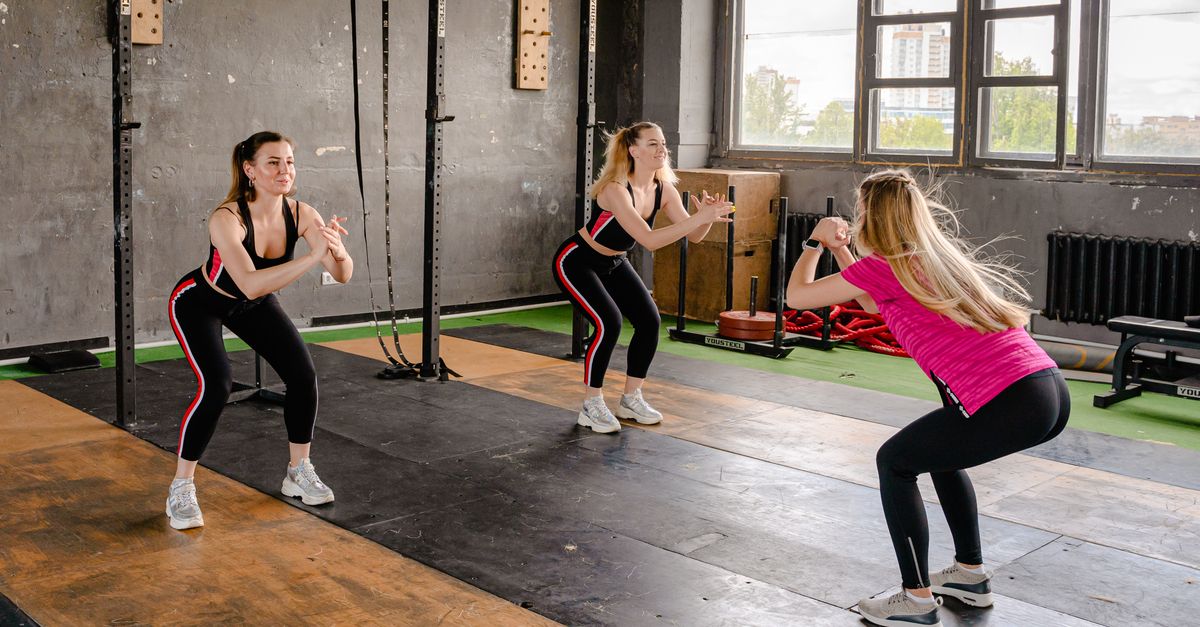
The fix is simple: widen your base. Take a wide stance, point your toes out at a gentle angle, and drop straight down. This opens up room inside your pelvis so your thigh bones can move freely without pinching.
Wide squats recruit your inner thighs and glutes far more than narrow stances do. If you always feel a sharp pinch in the front of your hips at the bottom of a normal squat, widening your feet might be the easiest fix you ever make.
Split Squats: Fixing the Hidden Weak Side
Think about walking, running, or carrying groceries up a flight of stairs. You never use both legs at the exact same time in the real world. So why only train on two legs at once?
Split squats put one foot out front and one foot behind you, kind of like a static lunge. Suddenly, your body cannot hide its imbalances. Imagine our fictional friend Sam again: his right leg might be doing 70% of the work during a barbell squat, leaving his left leg weak without him realizing it. A split squat exposes that right away.
- Builds rock-solid balance by strengthening the tiny stabilizing muscles around your ankles and knees.
- Levels the playing field so your dominant leg cannot steal the show.
- Protects your spine because you can get an intense leg workout using much lighter weights.
Single-leg work can be humbling, but nothing builds athletic, real-world leg strength quite like it.
Putting Your Personal Plan Together
Now that you know the options, how do you pick? You do not need to do all of these on the same day. Start by testing each variation with just your bodyweight or very light resistance.
Listen closely to what your joints tell you. Smooth tension in the meat of your muscles is great; sharp pinches, grinding, or dull aches in your joints mean that particular shape does not match your bones right now. Pick the one or two variations that feel natural, steady, and pain-free, then work on adding weight or reps slowly over time.
Squatting is not a loyalty test to a specific piece of iron. It is just a pattern to build strong legs that serve you well every single day.
Finding the right squat comes down to ditching rigid rules and listening to how your own body moves. There is zero reason to grind through knee or back pain just to check off a box on someone else’s workout sheet. Whether you feel best holding a single kettlebell, sitting back onto a bench, going wide, or working one leg at a time, each variation gives you all the muscle and strength gains you want. Try these different setups, pay attention to the feedback from your joints, and stick with the movement that feels natural. The best squat variation is simply the one that lets you train hard, stay healthy, and keep coming back for more.