You walk through the gym doors, look around at the jungle of iron and machines, and freeze. You are ready to work hard, but where do you actually begin? Do you hit the treadmill first, grab some dumbbells, or drop down for sit-ups? Doing exercises in the wrong order leaves you wiped out early, raises your chance of getting hurt, and steals your hard-earned progress. That is why we are breaking down the exact sequence you should follow. You will learn how your body burns energy, which movements demand your full focus, and how to organize your routine for maximum results. By the end, you will walk into any gym knowing your exact game plan from start to finish.
Wake Up Your Body First
Think of your body like a car sitting outside in the middle of winter. You wouldn’t jump in, turn the key, and immediately slam the gas pedal to sixty miles per hour. Your engine would hate you! Your muscles and joints work the exact same way. Before you touch a single weight, you need to tell your body that playtime is over and work is about to start.
A good warm-up doesn’t mean sweating through a half-hour run. Spend five to ten minutes doing light movement that raises your body temperature and loosens tight spots. Dynamic stretches are your best friend here. Try movements like:
- Arm circles and shoulder rolls to loosen your upper body.
- Bodyweight squats to grease up your knees and hips.
- Walking lunges with a torso twist to open up your legs and back.
Doing this sends fresh blood to your muscles, wakes up your nervous system, and gets you mentally locked in for what comes next.
Fast and Explosive Moves Come Early
Once you are warm, it is time for anything that requires quick, snappy power. This includes box jumps, medicine ball slams, or light Olympic lifts. Why do these now? Because power movements depend on your brain talking to your muscles at lightning speed.
Imagine a fictional lifter named Alex. If Alex spends forty minutes grinding through heavy leg exercises and then tries to jump onto a high wooden box, his legs will feel like wet cement. He might trip, scrape his shins, or fail the jump entirely because his nervous system is tired. When your energy bar is at one hundred percent, you can move with speed and crisp technique. Do your jumps and throws right after your warm-up, keep the reps low, and take plenty of rest between tries.
Tackle the Big Lifts While You’re Fresh
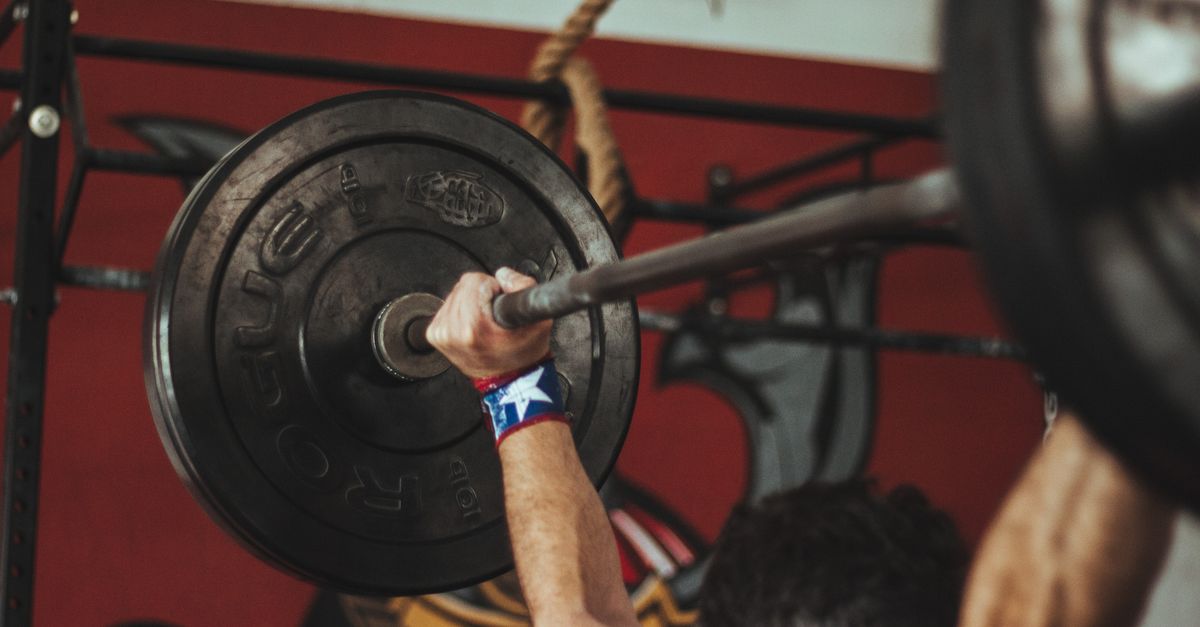
Now comes the meat and potatoes of your workout: heavy compound exercises. Compound simply means a movement that uses multiple joints and huge muscle groups at the same time. Think of squats, deadlifts, pull-ups, barbell rows, and bench presses.
These exercises give you the biggest bang for your buck. They burn lots of calories and build serious full-body strength. But they also demand massive focus, balance, and energy. If your back or legs are already tired from other movements, your lifting form breaks down quickly. That is usually when injuries happen. Hit your heaviest, most demanding barbell and dumbbell lifts right here while your tank is still full.
Focus on the Small Details with Isolation Moves
After conquering your big lifts, your body has used up its top-tier energy. That is completely fine, because now you can move on to isolation exercises. These are movements that target just one joint and one specific muscle group at a time.
Good examples include bicep curls, tricep rope pushdowns, leg extensions, and lateral shoulder raises. These moves are much safer to do when you are tired. If your arms give out during a bicep curl, you just set the dumbbell down. You don’t have to worry about getting trapped under a heavy barbell. At our fitness coaching platform, FitPath, we always tell folks that isolation exercises are like putting the icing on the cake. The compound lifts bake the cake, and the isolation moves shape the final details.
Save Your Abs for Near the End
A lot of people love dropping to the floor for planks and crunches the second they walk into the gym. While having strong abs is great, training them first is a sneaky mistake. Your core acts like an internal weight belt. It wraps around your middle, protects your spine, and keeps you upright when you carry heavy loads.
Picture a fictional athlete named Sarah. Suppose Sarah does five intense sets of planks before she goes to squat. When she puts a heavy bar on her back, her tired core muscles can’t stay tight. Her lower back rounds, and she wakes up the next morning with an aching spine. Keep your core fresh to protect you through your entire workout. Once your heavy lifting and machine work are totally done, fire away with your planks, hanging leg raises, or cable crunches.
Finish Off with Cardio and Cool Down
If you enjoy cardio, this is where it belongs. Placing hard cardio before lifting drains the exact fuel your muscles need to lift heavy weights. Unless you are training specifically for a marathon, keep your intense running, rowing, or cycling at the very end of your gym session.
Finish your day with a calm five-minute cool down. Walk slowly on the treadmill or stretch your tightest muscles while breathing deeply. This brings your heart rate back down to normal and tells your body to start repairing itself. You leave the gym feeling accomplished rather than totally wrecked.
Getting your workout order right is like stacking building blocks. If you put the tiny pieces on the bottom, the whole tower falls over. Start with a quick warm-up to prepare your joints, jump into explosive power moves if you do them, and then conquer your heavy compound lifts while your energy tank is full. Once the heavy lifting is out of the way, you can easily polish off smaller muscles, burn out your core, and finish with a bit of cardio to wrap things up. At FitPath, we know how confusing gym routines can feel, but stick to this simple rhythm, and you will stay safe, build strength, and finally see the payoff for your hard work.